Office Lighting Solutions for European Workplaces
Office lighting is the luminaire system that delivers task illuminance, glare control and color quality across a workplace. In Europe, EN 12464-1 sets the benchmark: 500 lux maintained on the task area, UGR ≤ 19, color rendering Ra ≥ 80 and uniformity U₀ ≥ 0.60.
OLAMLED manufactures low-glare LED office luminaires — recessed panels, modular grille fixtures, suspended linear profiles and floor-standing units — against that specification, for CAT A and CAT B fit-outs, refurbishments and OEM programs across the UK, Germany, France, the Netherlands and the wider EU. Every project ships with the photometric files (IES/LDT), declarations of conformity and test reports your specification requires.
Office Lighting by Space Type: EN 12464-1 Design Values
Every office area carries its own maintained illuminance (Ēm), glare limit (UGRL), uniformity (U₀) and color rendering (Ra) target. Specify the luminaire against the area and the task, not against the building.
| Office area (EN 12464-1) | Ēm (lux) | UGRL | U₀ | Ra |
|---|---|---|---|---|
| Writing, typing, reading, data processing | 500 | ≤ 19 | 0.60 | 80 |
| CAD workstations | 500 | ≤ 19 | 0.60 | 80 |
| Technical drawing | 750 | ≤ 16 | 0.70 | 80 |
| Conference and meeting rooms | 500 | ≤ 19 | 0.60 | 80 |
| Reception desk | 300 | ≤ 22 | 0.60 | 80 |
| Entrance halls and foyers | 100 | ≤ 22 | 0.40 | 80 |
| Corridors and circulation areas | 100 | ≤ 28 | 0.40 | 40 |
| Archives and filing | 200 | ≤ 25 | 0.40 | 80 |
| Rest and break-out rooms | 100 | ≤ 22 | 0.40 | 80 |
These are the reference task-area values; EN 12464-1:2021 allows them to be adjusted upward for older occupants, low-contrast work or critical tasks. A 500 lux task zone also requires 300 lux on the immediate surrounding area, and meeting spaces add a cylindrical illuminance requirement so faces read correctly on video calls. Color temperature is not fixed by the standard — 3000 K to 4000 K covers almost every European office specification.

Circulation and Communal Areas
Corridors, stairs and shared zones are specified at 100 lux with UGR ≤ 28 and U₀ ≥ 0.40. Continuous linear runs or low-output panels keep the step down from a 500 lux work floor comfortable for the eye.
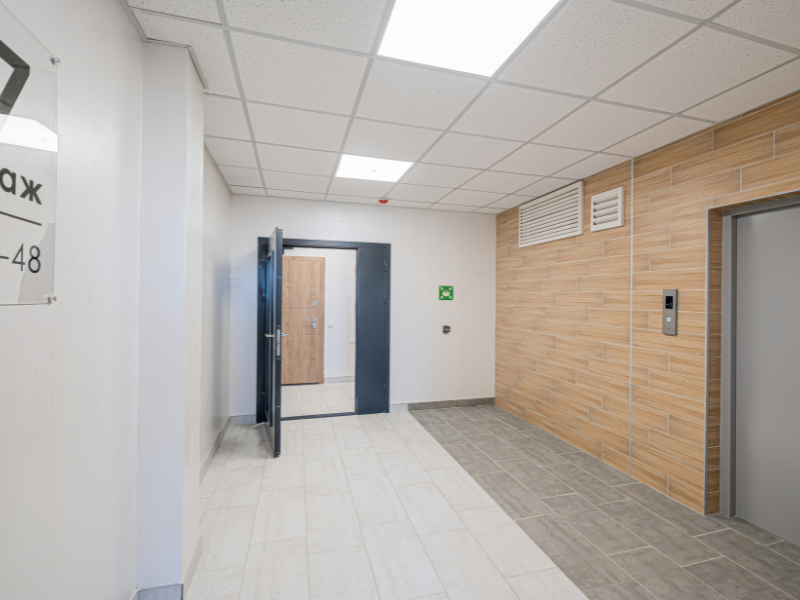
Entrance Areas and Foyers
Foyers sit at 100 lux with UGR ≤ 22. The reception desk itself steps up to 300 lux, so the desk plane is normally lit separately from the ceiling grid rather than by raising the whole scheme.
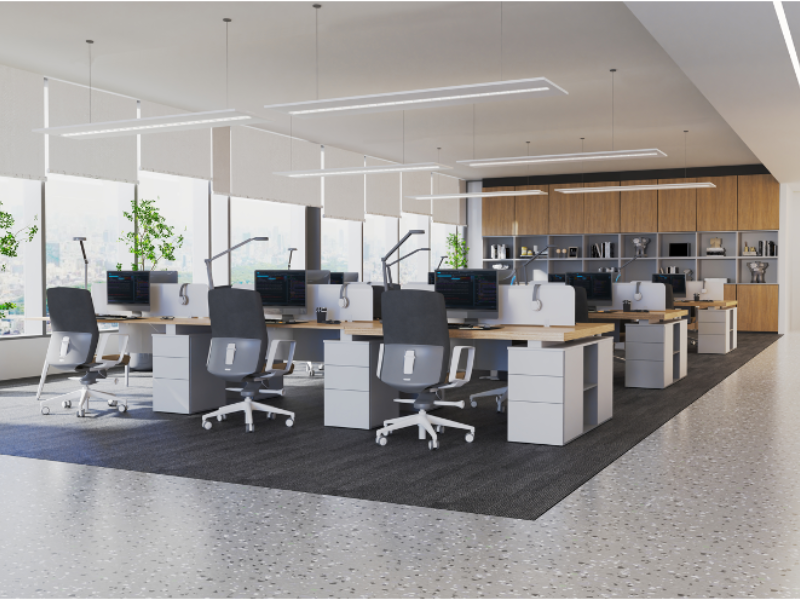
Cellular Offices
A single-occupant office runs at 500 lux on the desk with UGR ≤ 19, plus 300 lux on the immediate surround. One 600×600 UGR<19 panel per 6–9 m² of floor area typically achieves it at a 2.7 m ceiling.
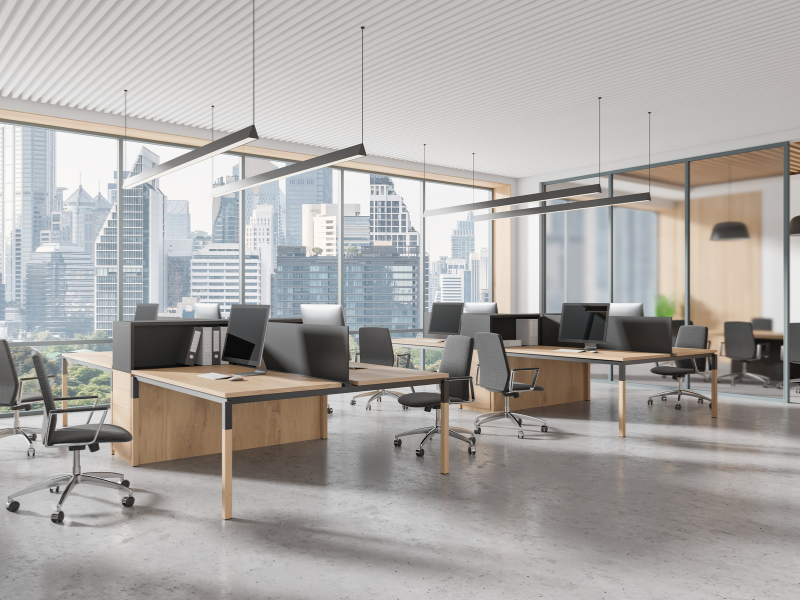
Open-Plan Offices
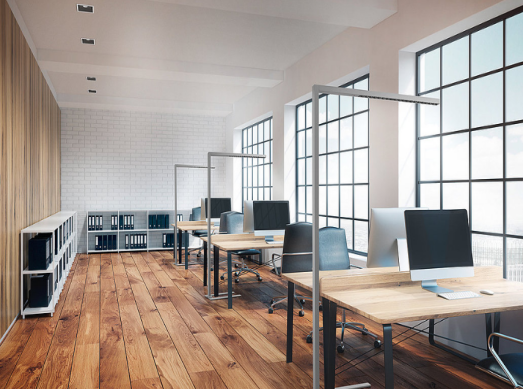
Open-plan floors need 500 lux maintained, U₀ ≥ 0.60 and UGR ≤ 19 at every desk orientation. Suspended linear luminaires on a 2.4–3.0 m grid deliver the uniformity that individually placed panels tend to miss.
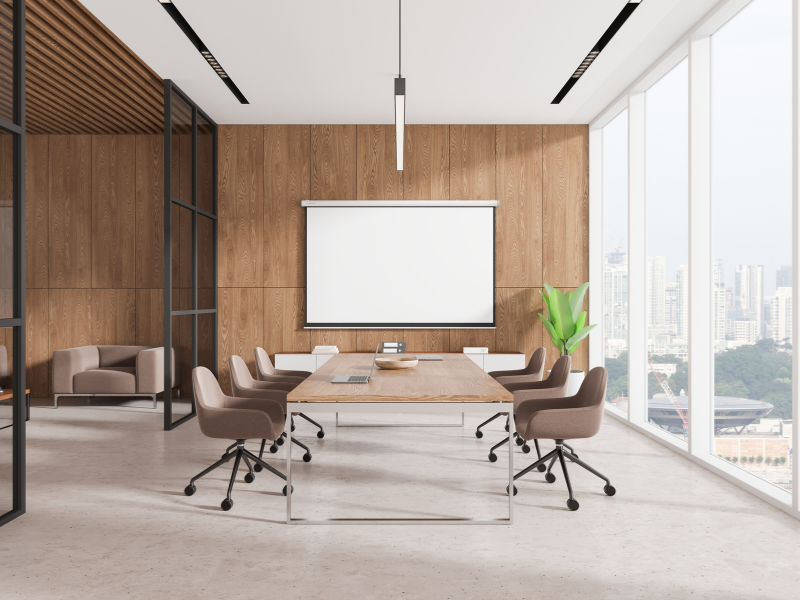
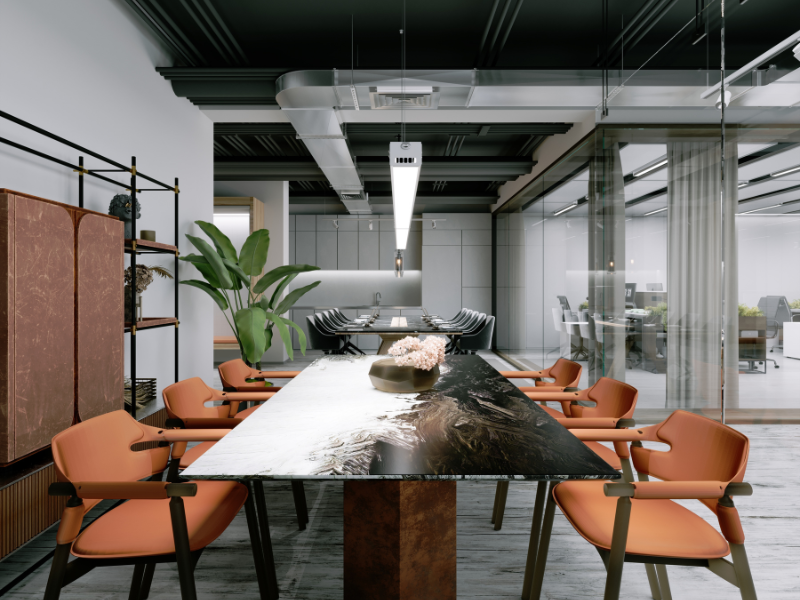
Conference and Meeting Rooms
Meeting rooms are specified at 500 lux, UGR ≤ 19, dimmable down to roughly 100 lux for screen presentations. Cylindrical illuminance matters here: faces have to read on video calls, not just the tabletop.
Break-Out and Rest Areas
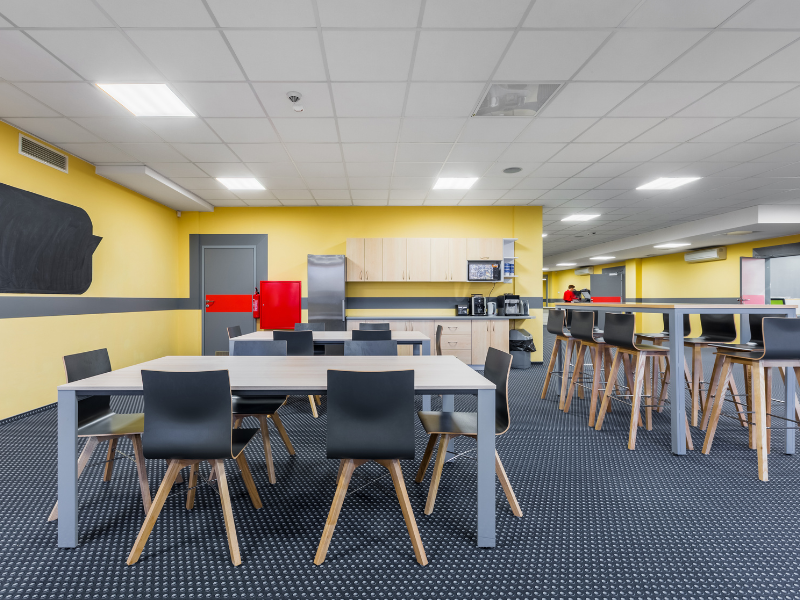
Break-out spaces sit at 100–200 lux with UGR ≤ 22. A warmer 3000 K source separates the zone from the 4000 K work floor without needing a second control system or a tunable-white budget.
Benefits of LED Office Lighting in European Workplaces
Commercial office lighting is judged in Europe on four numbers: installed load in W/m², the LENI figure in kWh/m²/year calculated under EN 15193, the glare rating, and the maintained illuminance at end of life. LED luminaires on DALI-2 control move all four in the right direction at the same time.
Lower installed load and a better LENI figure
A 4000 K UGR<19 panel delivering 500 lux typically lands between 5 and 8 W/m² installed. Adding presence detection and daylight regulation cuts the LENI value again — the number EPBD-driven energy assessments actually ask for, not the fixture wattage.
Glare control that survives the snag list
UGR ≤ 19 is a room calculation, not a fixture label. Luminaires holding a measured luminance below 3000 cd/m² above 65° keep the rating once installed at real spacings and mounting heights. Glare and anti-glare LED lighting explained.
Visual comfort, color and flicker
Ra ≥ 80 with R9 above zero keeps skin tones and printed material readable. Low-flicker drivers matter in offices full of cameras and screens: EU Ecodesign Regulation 2019/2020 now sets limits on both PstLM and the stroboscopic effect visibility measure.
Maintenance and lifetime
L80B10 at 50,000 hours means 80% of initial output after roughly twenty years of office use, with 10% of units falling below that line. Fix the maintenance factor with the design, not after it, or the scheme drops under 500 lux around year seven.
Control and re-lettable flexibility
DALI-2 and D4i addressable drivers let a floor be re-zoned after a tenant change without rewiring. That is the single biggest reason European CAT B fit-outs specify digital control from day one.
Compliance documentation
European projects need declarations of conformity, photometric files in IES or LDT format for DIALux verification, and test reports that match the delivered batch rather than a reference sample. LED lighting requirements and certification for Europe.
How to Specify Office Light Fixtures for a European Project
Specify office luminaires in this order: area and task first, then illuminance and glare limit, then mounting and control, then the compliance pack. Choosing a fixture family before the lux and UGR targets are agreed is the most common cause of a failed DIALux verification.
| Luminaire type | Office application and design value | Recessed modular panel (595×595, 1195×295) | Suspended ceiling grids in open-plan and cellular offices — 500 lux, UGR ≤ 19 |
|---|---|
| Recessed grille / louver luminaire | Screen-intensive and technical drawing areas where UGR ≤ 16 is specified |
| Suspended linear profile | Open-plan floors and high ceilings — direct/indirect optics for U₀ ≥ 0.60 |
| Surface-mounted linear batten | Exposed soffits, refurbishments and circulation routes — 100 lux, UGR ≤ 28 |
| Track-mounted linear and spot | Agile floors and tenant fit-outs that get re-zoned without rewiring |
| Floor-standing panel / uplighter | Fit-outs where the ceiling cannot be touched — indirect light reaching 500 lux at the desk |
| Wall-mounted and cove lighting | Foyers, corridors and reception — 100–300 lux and glare-free vertical illuminance |
| Emergency luminaire (3 h maintained) | Escape routes and open areas to EN 1838 — 1 lux on the escape route center line |
Specification Checklist for Office Luminaires
Match the luminaire to the ceiling, the task and the control system, in that order. The checklist below is the sequence European lighting designers and M&E contractors work through before a fixture schedule is issued for tender.
Illuminance and uniformity
500 lux maintained on the task area, 300 lux on the immediate surround, U₀ ≥ 0.60. Verify in DIALux with the real surface reflectances and a stated maintenance factor, not the software default.
Glare rating
UGR ≤ 19 for general office work, ≤ 16 where screens or drawing dominate. Ask for the UGR table rather than the marketing figure — the rating is calculated for a room, so a luminaire only carries it at a stated spacing-to-height ratio. Why low-glare panels suit offices.
Color quality and temperature
Ra ≥ 80 as the floor, Ra ≥ 90 for design studios and brand-critical spaces, SDCM ≤ 3 so a run of panels stays visually identical. 4000 K is the European default for work areas; 3000 K for break-out and client-facing zones.
Control protocol
DALI-2 or D4i for any floor that will be re-zoned; switched or 1–10 V remains acceptable for corridors, stores and plant rooms. Add presence detection and daylight regulation where the perimeter earns it.
Mounting and ceiling type
595×595 for a 600 mm exposed T-grid, 1195×295 for a 1200 mm module, surface or suspended where there is no ceiling void. Confirm the grid before the optic, not after.
Compliance pack
Declaration of conformity, IES or LDT photometric file, LM-80 / TM-21 lifetime data, driver datasheet, and an emergency schedule wherever EN 1838 applies.
Office Luminaire Families Manufactured by OLAMLED
Product Features of Panel Light
- Size: 600x600 / 620x620 / 300x1200 / 600x1200 / 300x1500 mm
- Sizes can be customized according to customer requirements
- Power: 20W / 30W / 40W / 60W
- The power can be adjusted according to actual requirements
- LED source: SMD2835, CRI >80Ra or 90Ra
- Installation Method: Recessed, Suspended, Surface mounting
- Luminous Efficiency: 130–160 lm/W
- Color Temperature: 3000K / 4000K / 5000K / 6000K — UGR<16, UGR<19, UGR<23 optional
- Function: On/Off, Dimmable (1–10V, DALI-2, D4i etc.)
- Emergency & Sensor: The sensor or emergency function can be customized according to the project requirements
LED Panel Lights (UGR<19 and UGR<16)
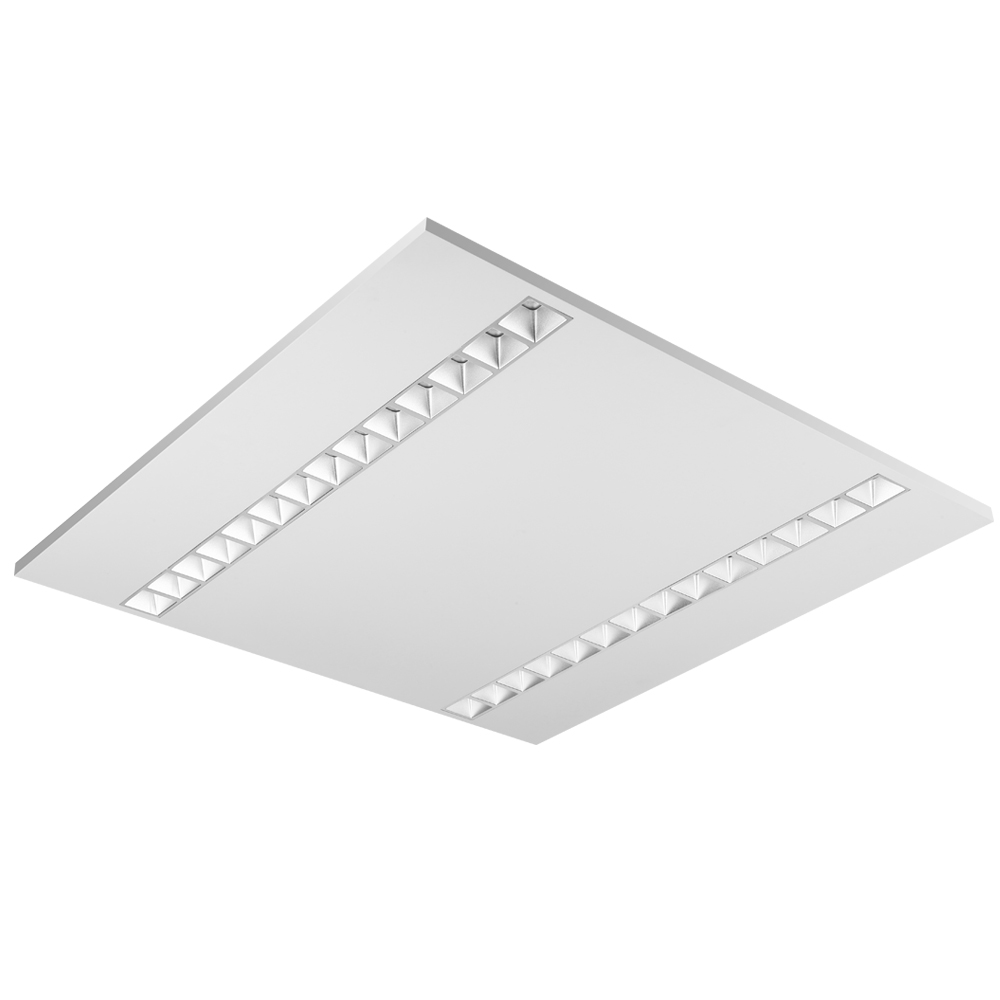
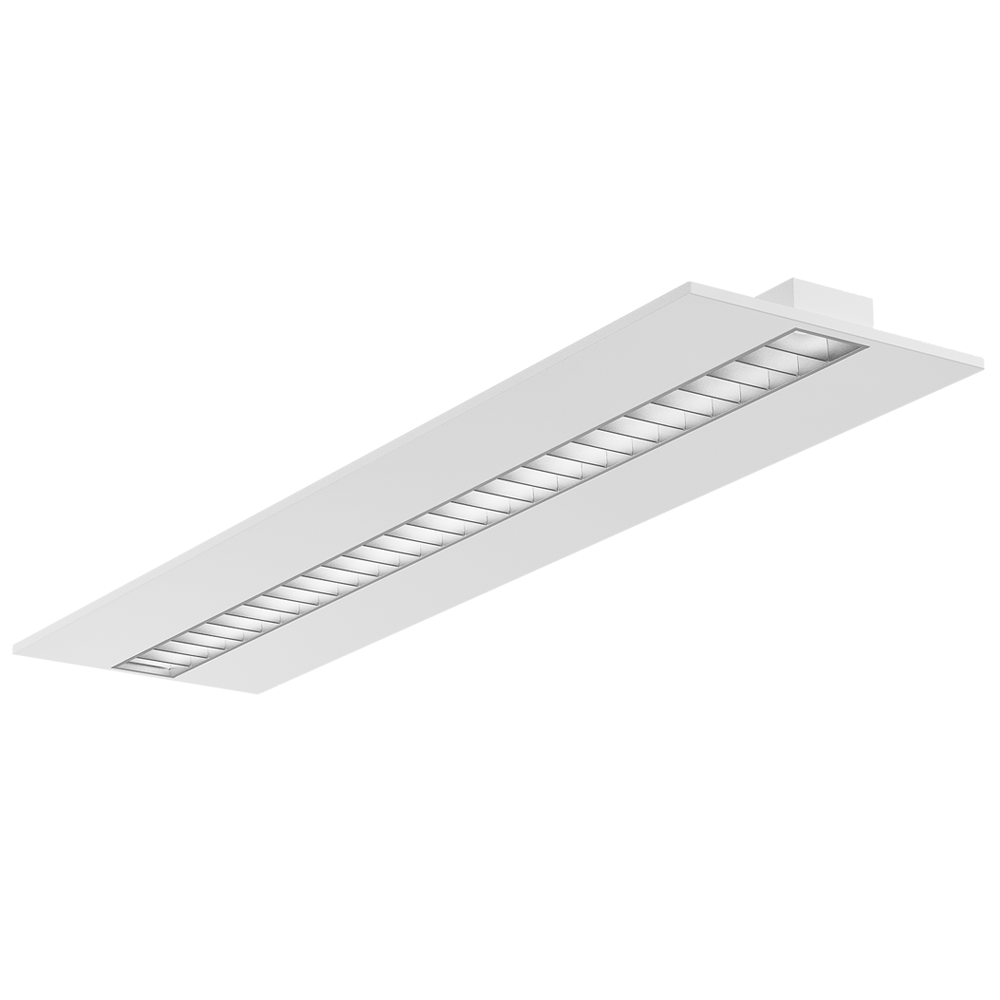
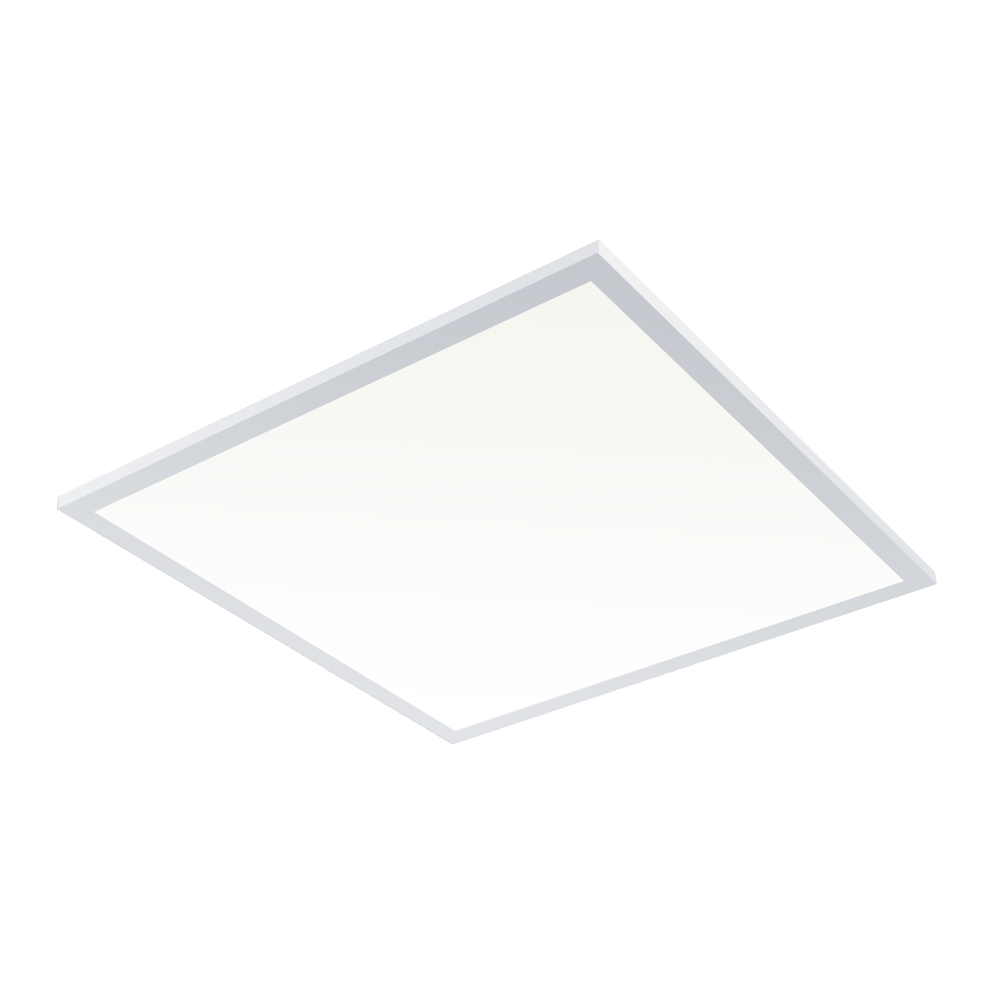
Application: recessed into 600 mm and 1200 mm suspended ceiling grids across open-plan floors, cellular offices and meeting rooms. This is the default luminaire for a 500 lux, UGR ≤ 19 European office specification.
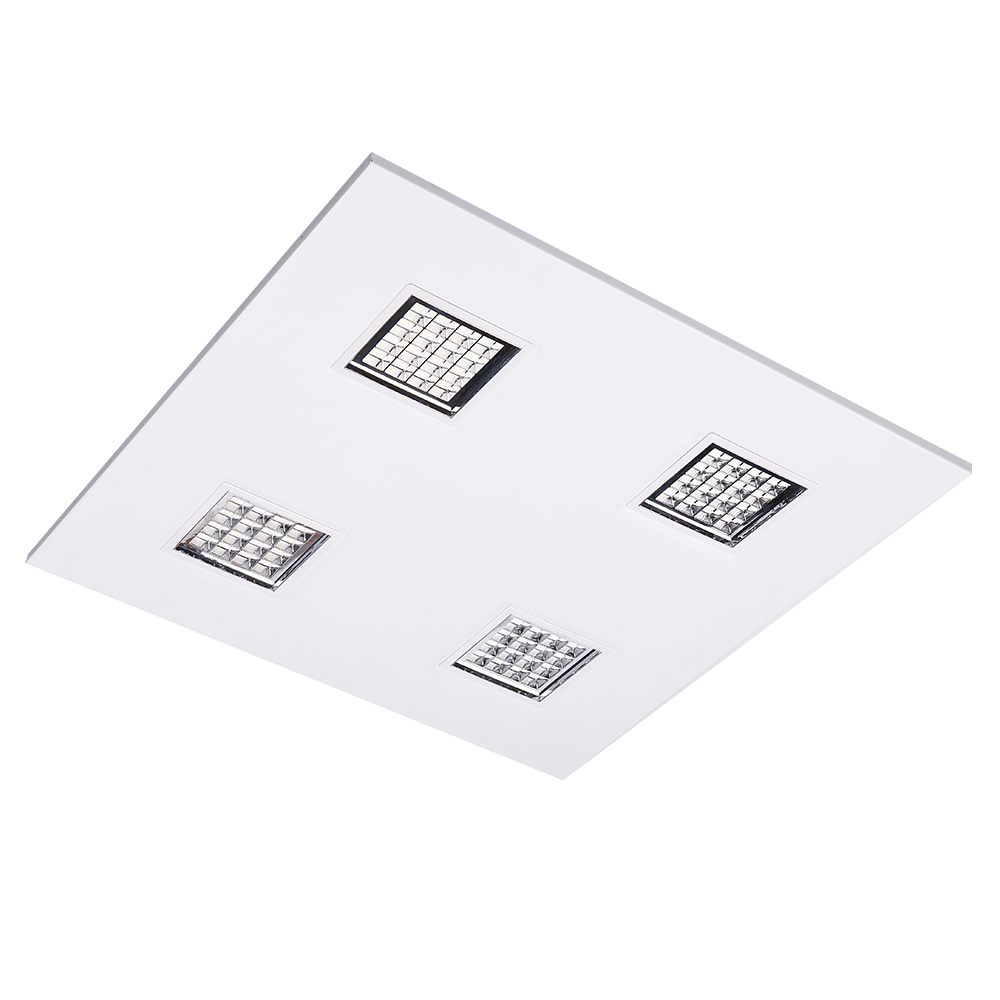
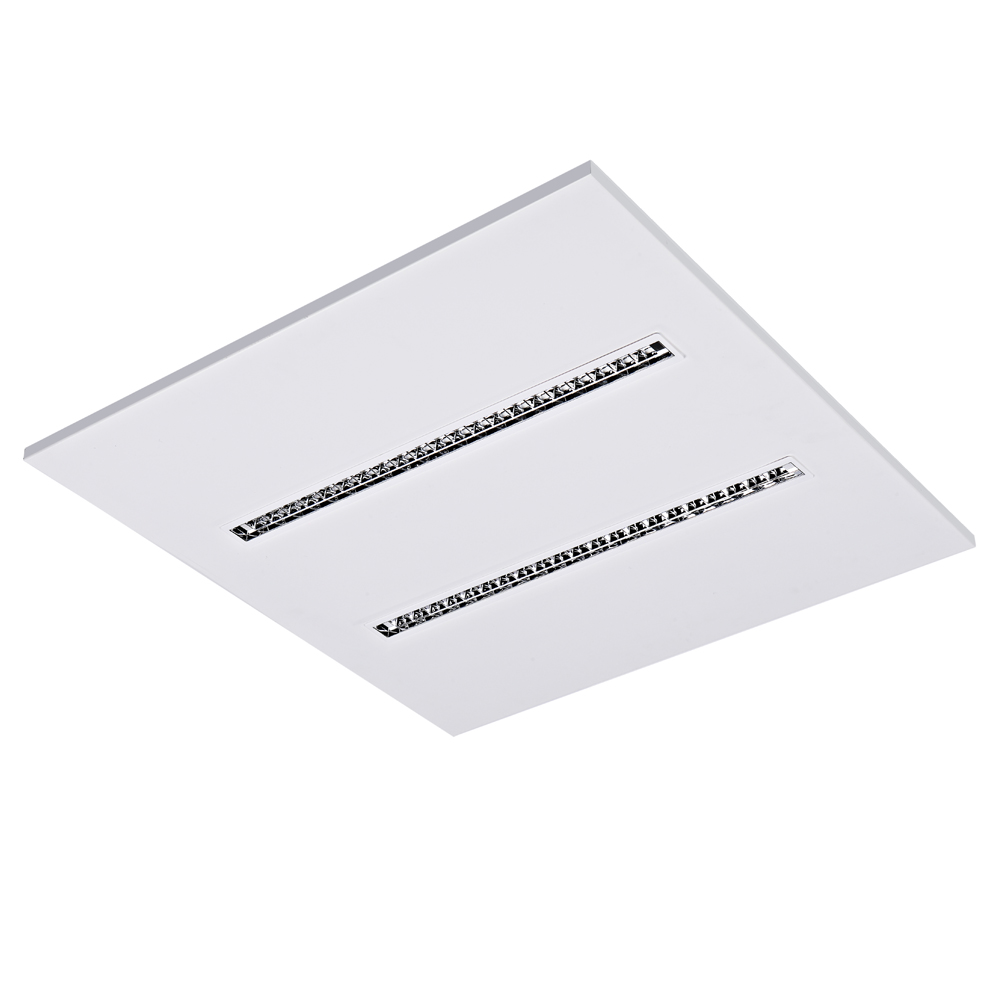
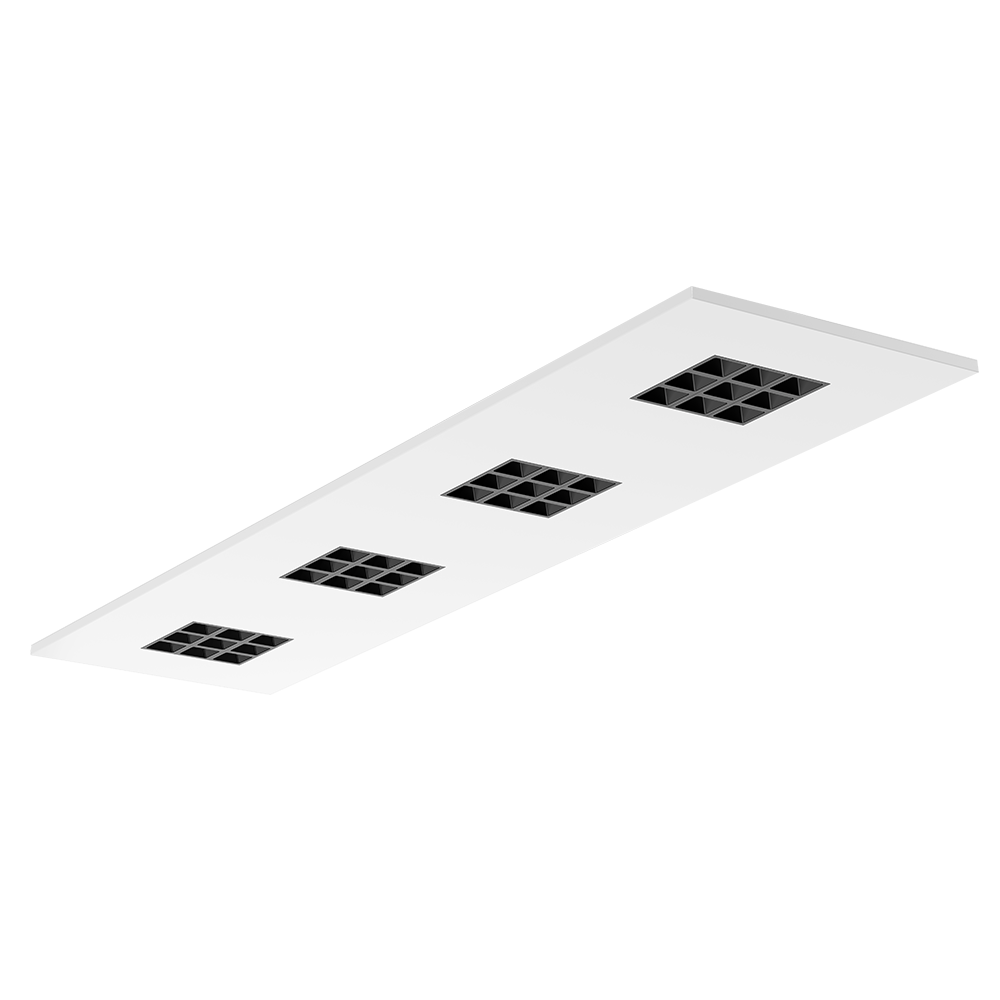
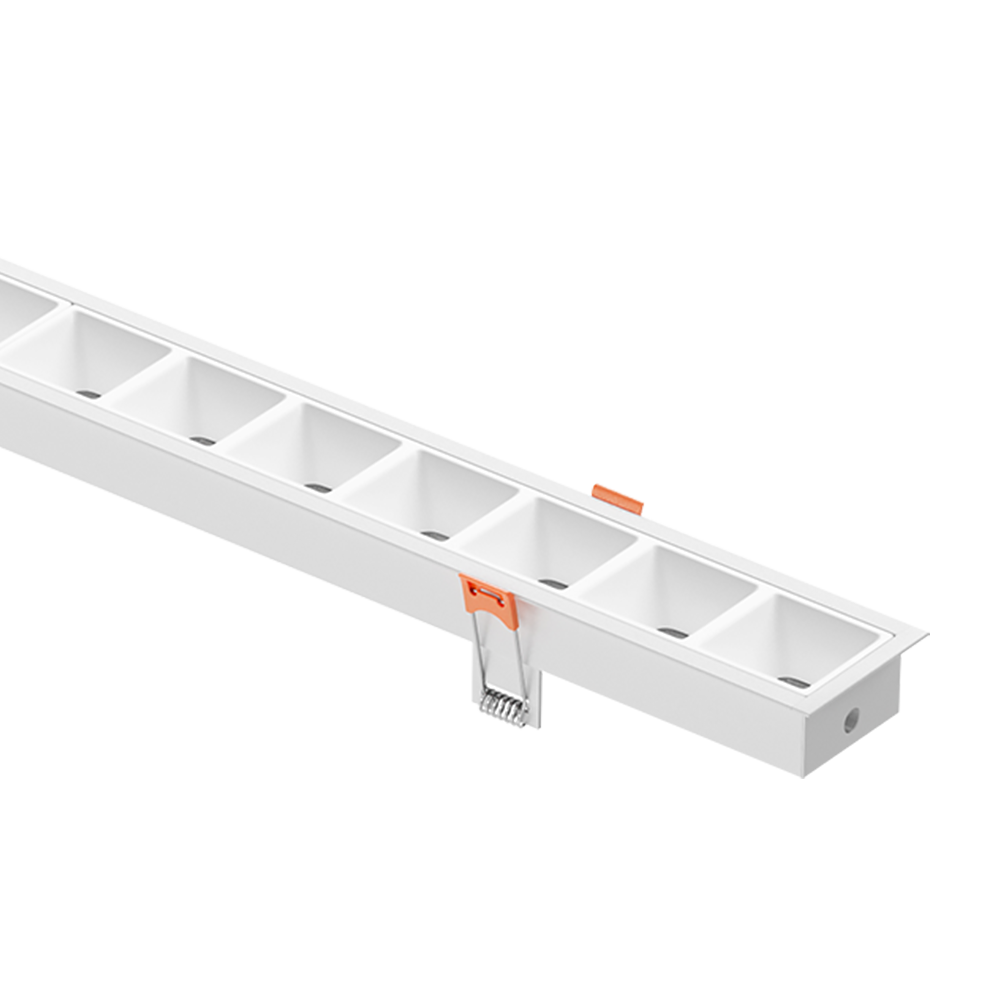
Specification: 595×595, 1195×295 and 1195×595 modules; edge-lit or back-lit; 3000 K / 4000 K / tunable white; Ra ≥ 80 with Ra ≥ 90 on request; switched, 1–10 V, DALI-2 and emergency variants. Edge-lit office panels cover the UGR<19 case and modular grille panels take the specification down to UGR<16.
LED Office Ceiling Panels and Modular Luminaires
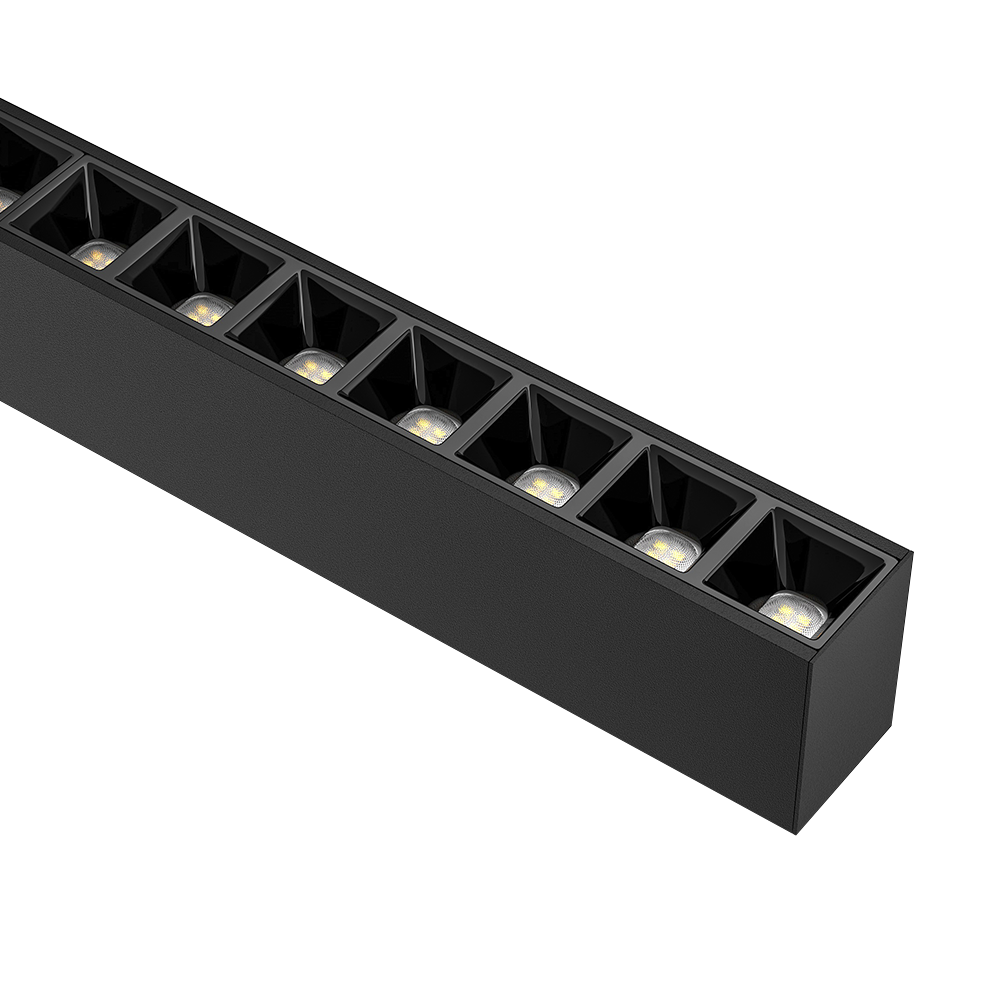
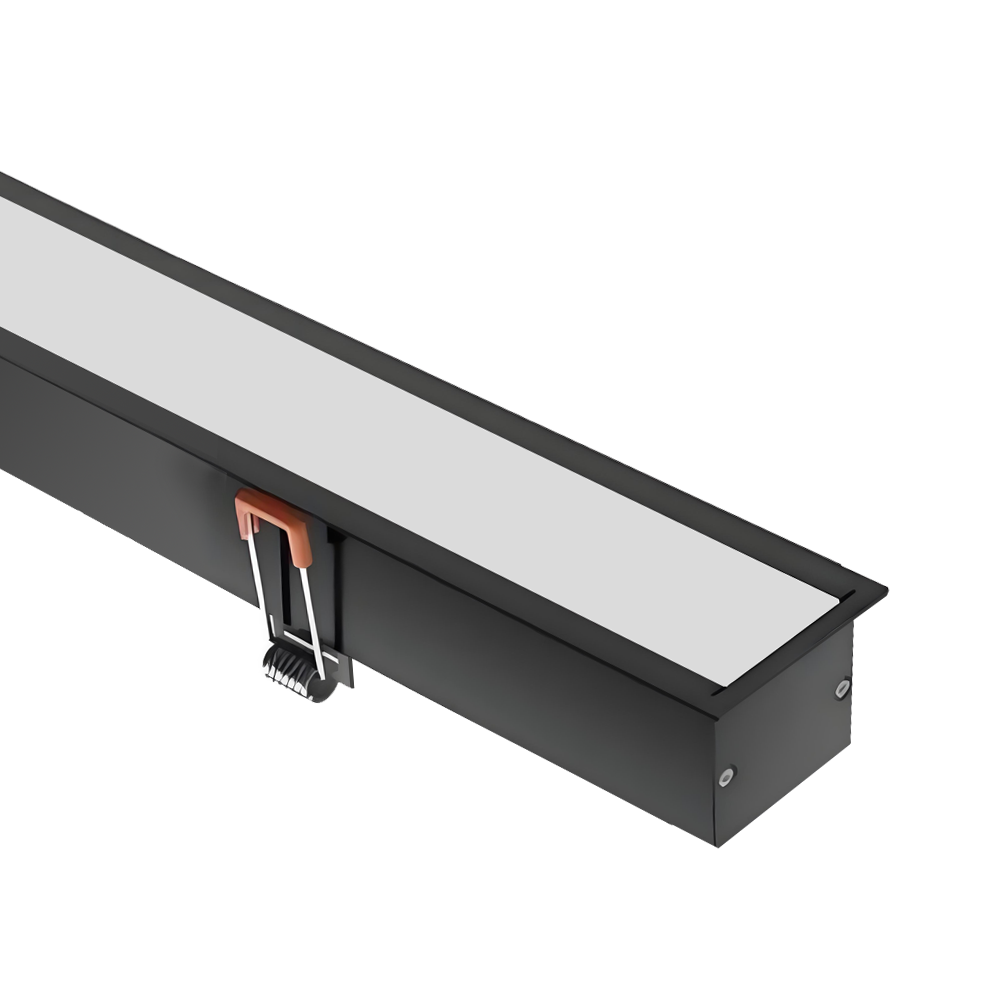
LED Linear Lighting for Open-Plan Offices
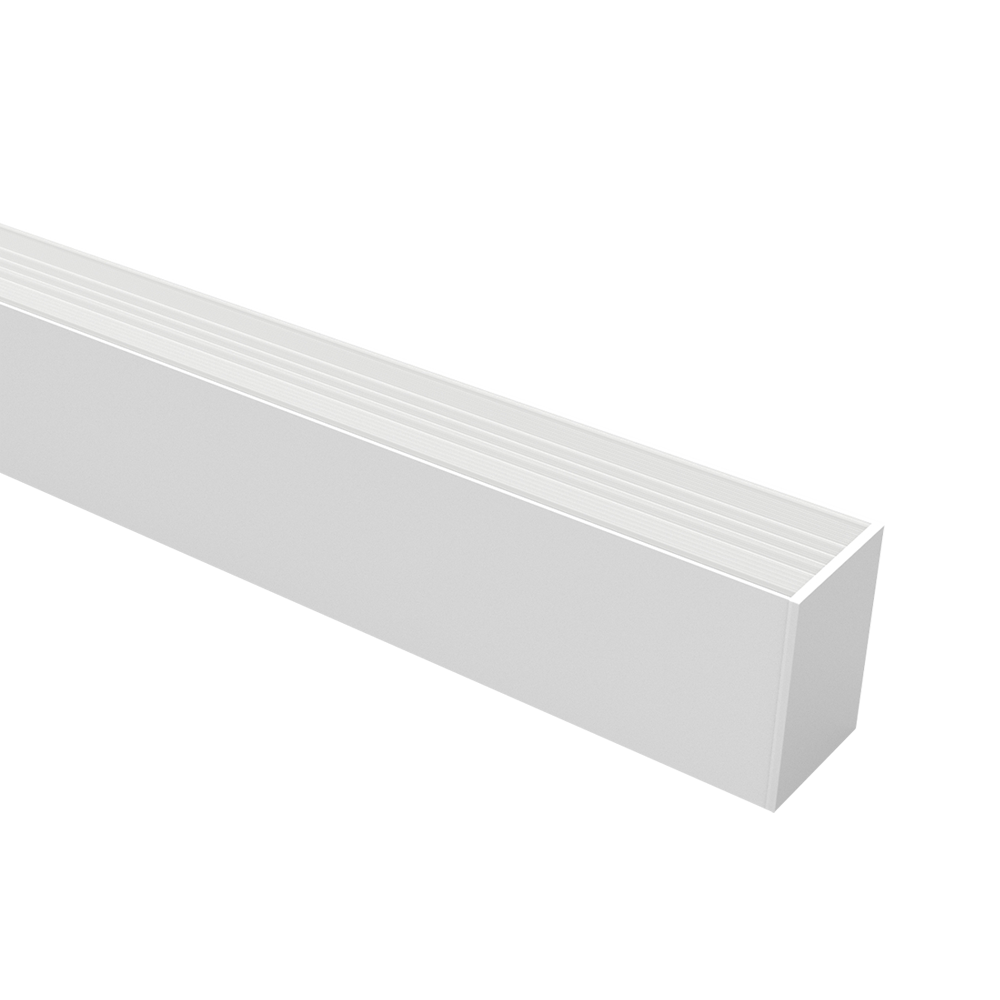
Application: suspended runs over open-plan desking, continuous rows along circulation spines, and surface-mounted profiles in refurbishments where the ceiling void has gone.
Specification: 1200 / 1500 / 2400 mm profiles; direct, indirect and direct-indirect optics; UGR ≤ 19 microprismatic or louvered diffusers; DALI-2 drivers; continuous-run couplers and emergency modules. See the LED linear luminaire range and the office linear lighting overview.
Features of LED Linear Lights
- Length: 60 / 120 / 150 cm, length can be customized
- Power: 20W / 30W / 40W / 50W / 60W etc.
- LED source: SMD2835, CRI >80Ra or 90Ra
- Housing: Aluminum + PC cover / reflectors
- Luminous Efficiency: 120–140 lm/W
- Color Temperature: 3000K / 4000K / 5000K / 6000K
- Function: On/Off, Dimmable (1–10V, DALI-2, D4i etc.)
- Emergency & Sensor: The sensor or emergency function can be customized according to the project requirements.
- Seamless connection, uniform light, no dark area, easy and fast to install
LED Linear Light PD Series
LED Linear Light PF Series
LED Linear Light PR Series
LED Linear Light PR-2 Series
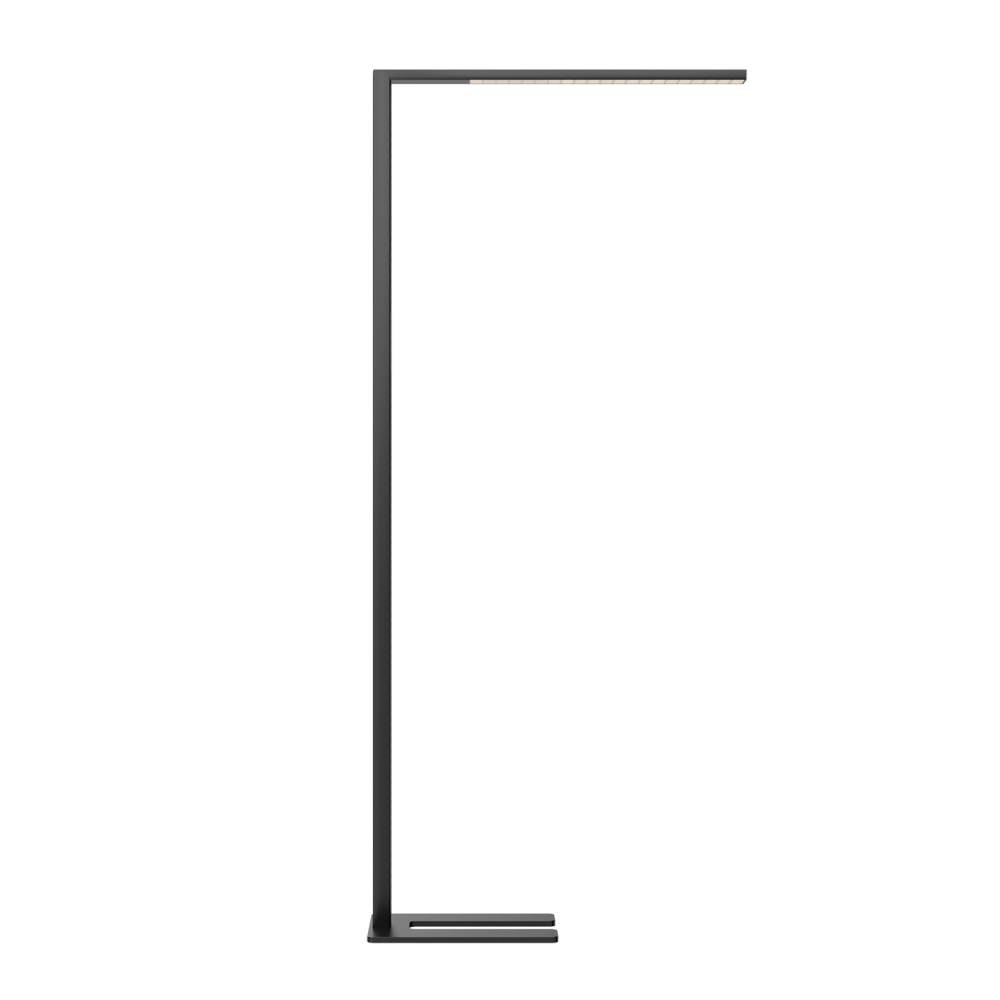
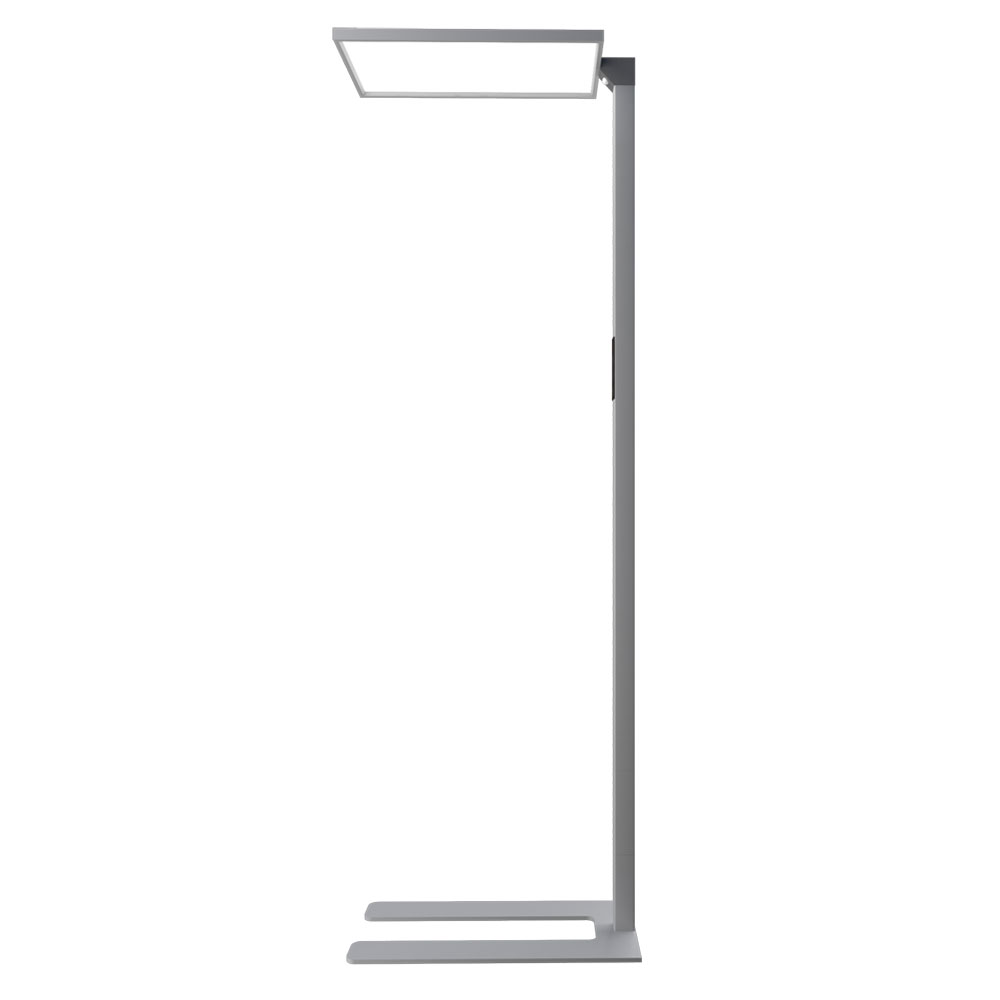
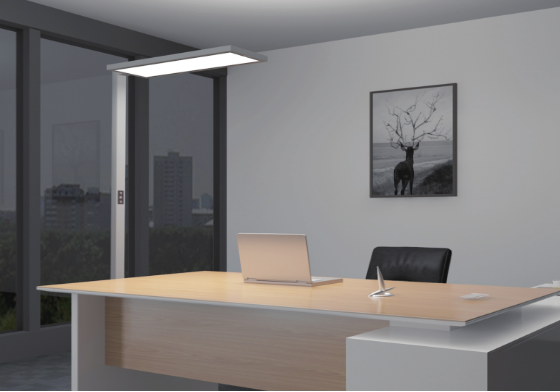
LED Floor Standing Panel & Linear Lights
Application: fit-outs and listed buildings where the ceiling cannot be modified, agile floors that get re-planned, and workstations that need their own light without an electrical alteration.
Specification: indirect and direct distribution reaching 500 lux at the desk plane, integrated presence and daylight sensing, UGR ≤ 19 at the seated eye position, plug-and-play installation with no ceiling works and no landlord approval. See the floor-standing panel and linear range.
- Up & Down Lighting
- CCT: 3000-6000K can adjust
- CRI>90Ra
- 1-10V dimming
- With PIR Motion Sensor & Daylight Sensor
- Lower glar design, UGR<16
Office Lighting FAQ for European Projects
The questions European lighting designers, M&E contractors and fit-out buyers ask us most often, answered against EN 12464-1 rather than rules of thumb. OLAMLED has manufactured LED luminaires for 17 years.
How many lux does an office need under EN 12464-1?
An office task area needs 500 lux maintained under EN 12464-1, with 300 lux on the immediate surrounding area and 100 lux in corridors and foyers. Technical drawing boards go to 750 lux. Illuminance is measured on the task plane, not at the ceiling, and the maintained value applies at the end of the maintenance cycle rather than on day one.
What UGR rating is required for office lighting?
UGR ≤ 19 is the limit for general office work: writing, reading, data processing, CAD workstations and meeting rooms. Technical drawing areas are specified at UGR ≤ 16. UGR is calculated for a room rather than a fixture, so a luminaire only holds its stated rating at the spacing, mounting height and surface reflectances used in the calculation. Ask for the UGR table with the photometric file.
Is 3000K or 4000K better for an office?
4000 K is the European default for work areas. It reads as neutral white, supports alertness through the working day and blends with daylight at the perimeter. 3000 K suits break-out rooms, lounges and client-facing reception areas. Zoning the two works better than compromising at 3500 K everywhere. EN 12464-1 does not fix a color temperature, so this is a design decision, not a compliance one.
What regulations apply to office lighting in the UK and EU?
Three sets apply. EN 12464-1 sets the lighting design values for indoor workplaces. EU Ecodesign Regulation 2019/2020 sets efficacy, flicker and spare-part requirements for light sources placed on the EU market. EN 1838 covers emergency escape lighting. UK projects additionally follow the Workplace (Health, Safety and Welfare) Regulations 1992 and CIBSE SLL guidance, and require UKCA or CE marking depending on the route to market.
How do I lower the energy figure for an office lighting scheme?
Reduce installed load first, then add controls. A UGR<19 LED panel at 130–150 lm/W typically achieves 500 lux at 5–8 W/m². Presence detection and daylight regulation then cut the LENI value calculated under EN 15193 by a further 30–50% on a daylit perimeter floor. Constant light output on the driver removes the over-lighting that a high maintenance factor would otherwise force into the design.
Can OLAMLED manufacture office luminaires to our own specification?
Yes. OLAMLED runs OEM and ODM programs for European lighting brands, electrical wholesalers and fit-out contractors: custom optics, housings, drivers, color temperature, packaging and branding, with photometric files and test reports supplied per build. Sampling takes 3–5 days and mass production 20–25 working days. See our OEM and ODM services.
Hassle-Free OEM & ODM Services and Support at OLAMLED
Customize For You
ISO9001:2000 certified factory
Low MOQ From 1pcs
Develop Molds For You
Packaging Design For You
Certification For You
Custom High Quality LED Products Process
See How We’ll Work Together
Discover
Our team learns more about your specific requirements through an in-depth consultation and discovery process.
Define
Based on the detailed information we obtained during the consultation process, we determined the structure, parameters, application scenarios and other related requirements of the project.
Solution
We have prepared an estimated quotation for this project, which includes the required materials and the specific customization work we will undertake.
Contract
We then send you a copy of the contract for approval, signifying our mutual agreement regarding the project.
Prototype
A functional sample will be created for testing, recalibrating the sample for improvements and optimization.
Review
We send you a sample of the project and discuss how it fits your specifications. Any revision requests are taken and implemented until you’re satisfied with the results.
Meticulous LED Light Production & Inspection
We Show our production team, warehouse, test equipment and other aspects here to ensure that your order is fulfilled

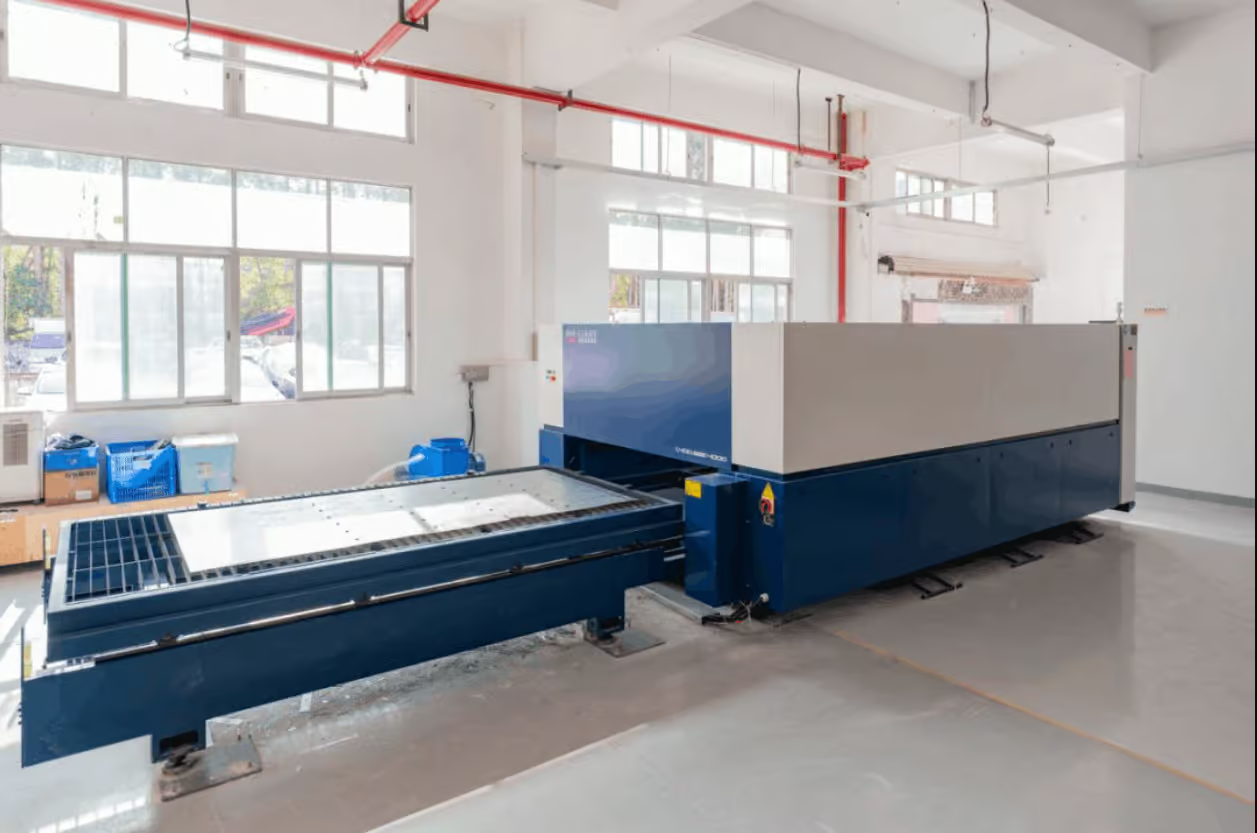
Laser Cutting Machine

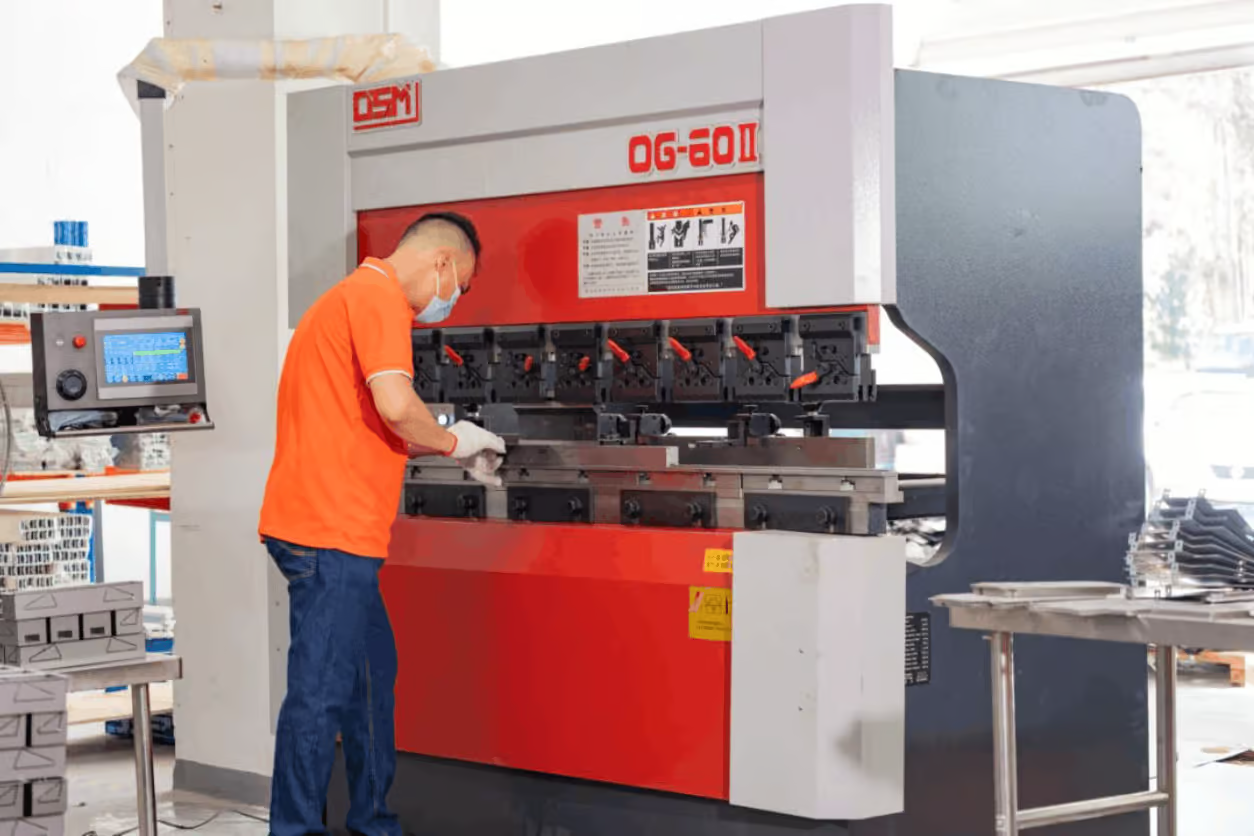
LED Bending Machine
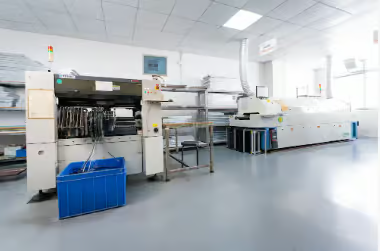
SMT Workshop
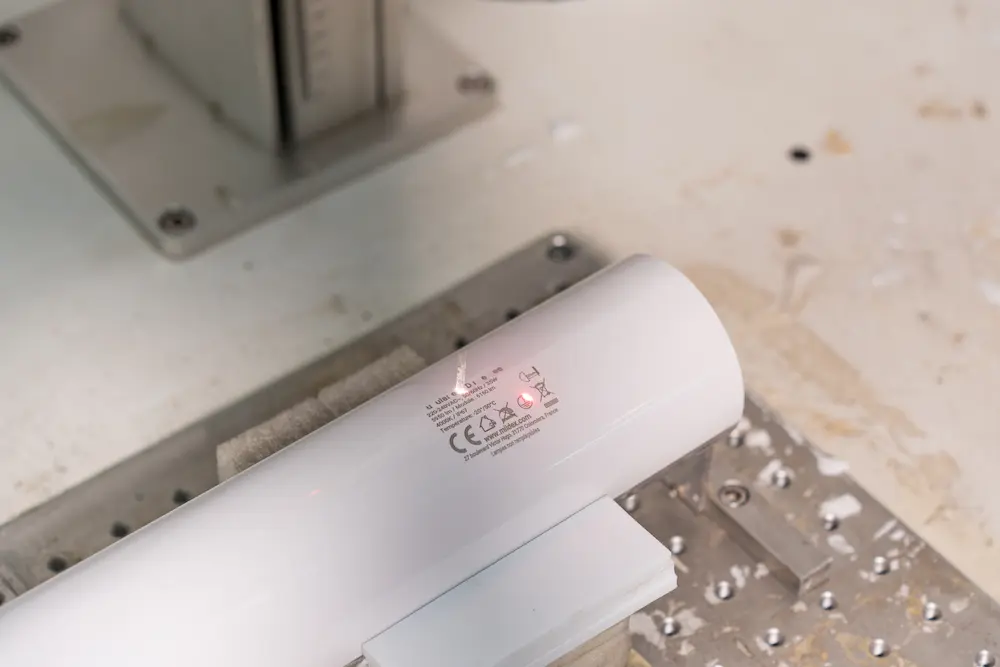
Laser Machine
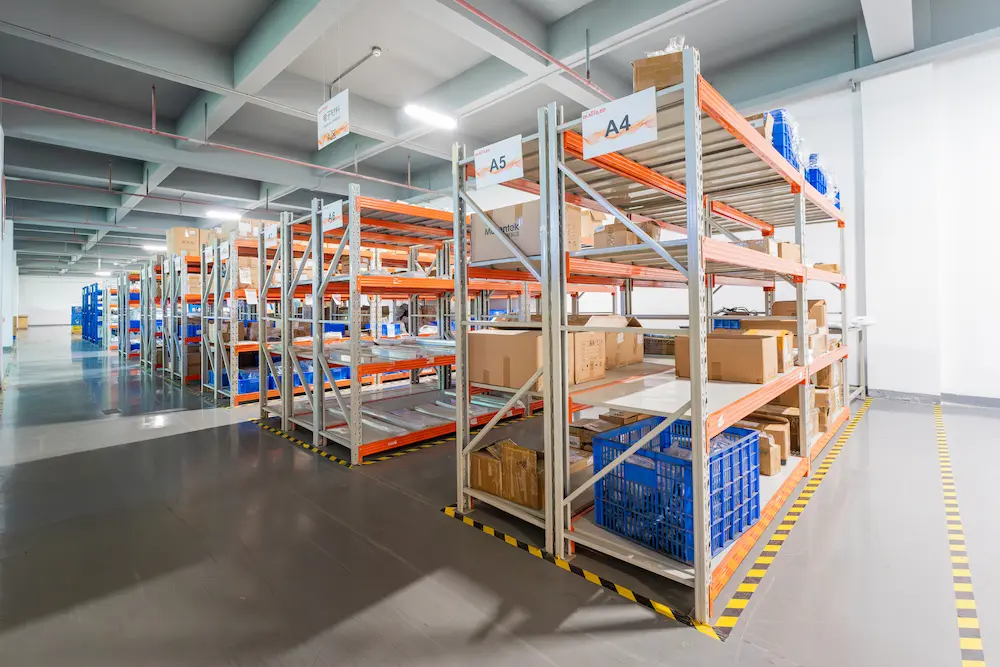
Raw Material Warehouse
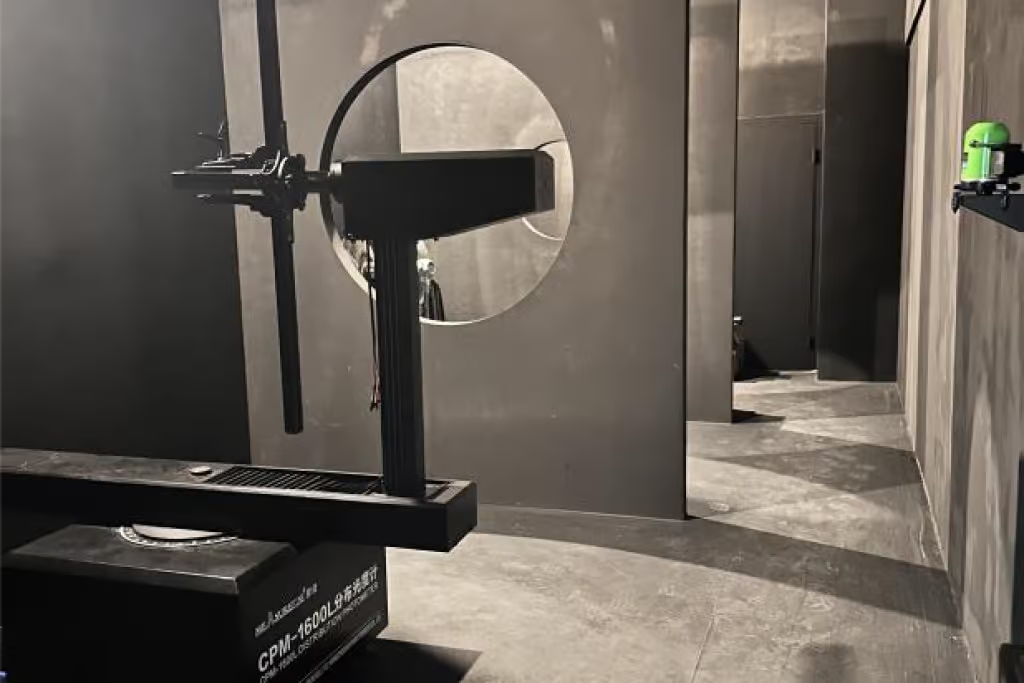
Goniophotometer
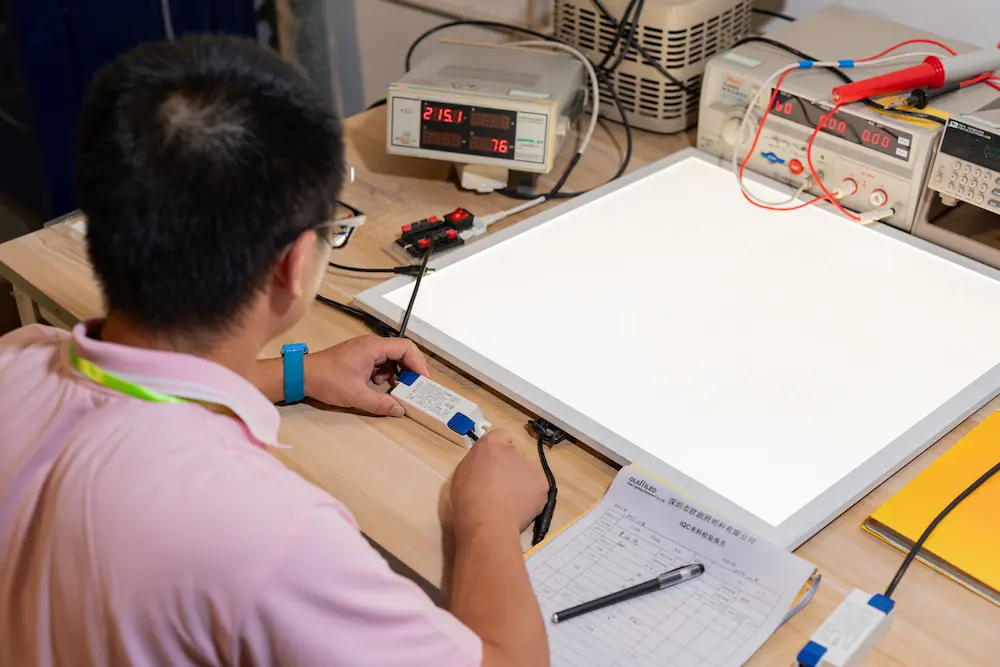
Photoelectric Test
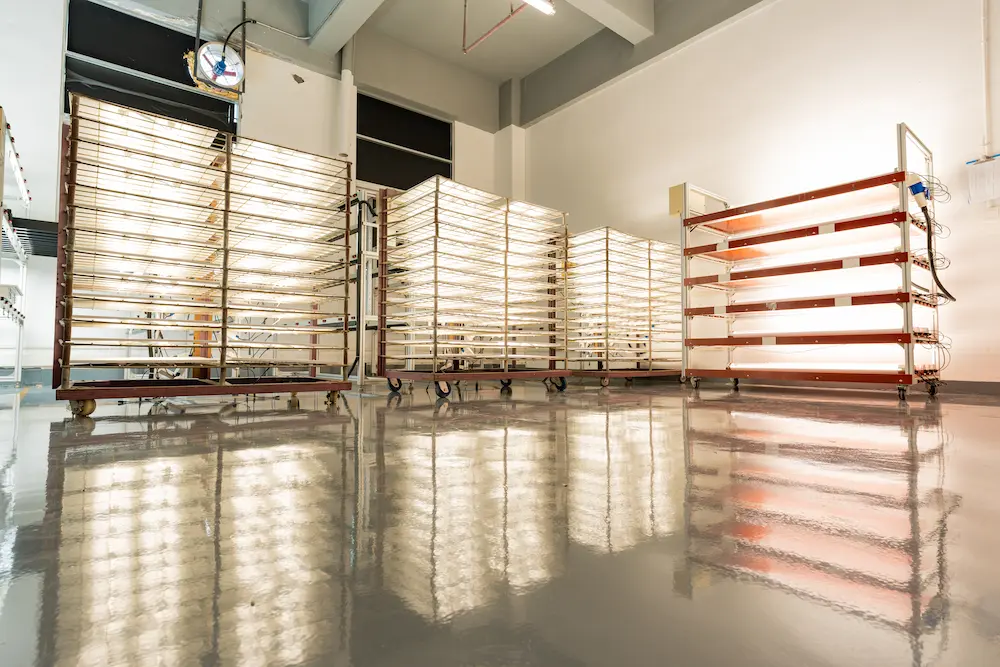
Aging Test
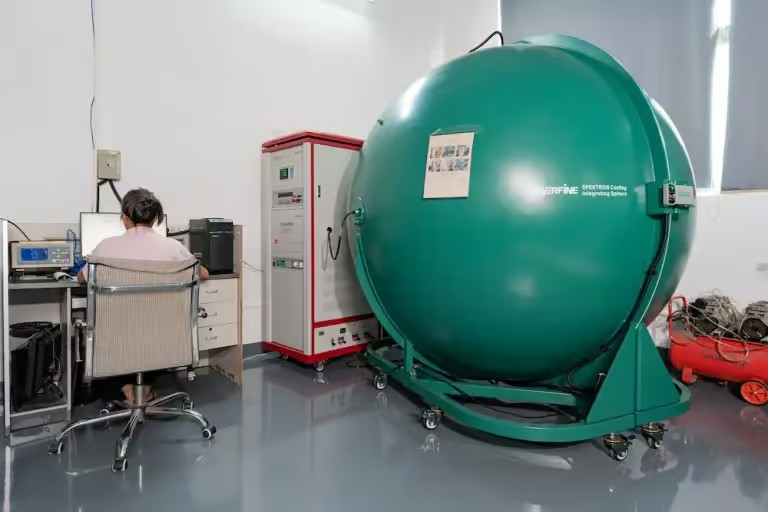
Integrated Sphere Test

Our Major Partners
Keeping Proprietary Details Confidential
OLAMLED delivers custom LED lighting solutions to give your business a real edge.
We protect your ideas and designs. Your confidential information stays safe with us.
If you need extra assurance, we are happy to sign a Non-Disclosure Agreement.