LED Office Linear Light
- Connectable 1 by 1 design.
- Low glare: UGR<16, UGR<19 optional
- High color consistency, SDCM<3
- A variety of luminous surfaces are available
- High light efficiency: >130LM/W
- More environmentally friendly & Energy saving
- Custom size requirements
- A variety of design appearance
- L90B10
Office Linear Light Manufacturer and OEM Supplier
Exceptional Design & Production Strengths
At OLAMLED, our portfolio showcases a wide variety of linear office lighting systems, each renowned for its unique aesthetics and functionality. Our extensive product lineup is a testament to our ability to meet different style preferences and practical needs. We focus on creating unique looks, from modern and stylish to traditional and timeless, ensuring that our products blend perfectly into a variety of architectural and interior decoration schemes.
Our strengths are not limited to design; This stems from our deep mold manufacturing capabilities. This skill enables us to accurately and efficiently translate creative design concepts into physical products. Recognizing that every space requires a custom lighting solution, our rapid mold development and deployment process sets us apart in the industry. This adaptability allows us to provide customized solutions according to the needs of our customers.
By maintaining an unwavering focus on safety and quality, our comprehensive approach from design concept to product delivery reaffirms our commitment to delivering outstanding modular lighting systems. These systems are not only attractive in design and function, but also prioritize environmental sustainability.
What Is an Office Linear Light?
An office linear light is an elongated LED luminaire, typically 600 mm to 2400 mm long, that spreads light evenly along its length instead of from a single point. Offices use it because a continuous line of light produces fewer shadows and less glare on screens than an array of separate fittings.
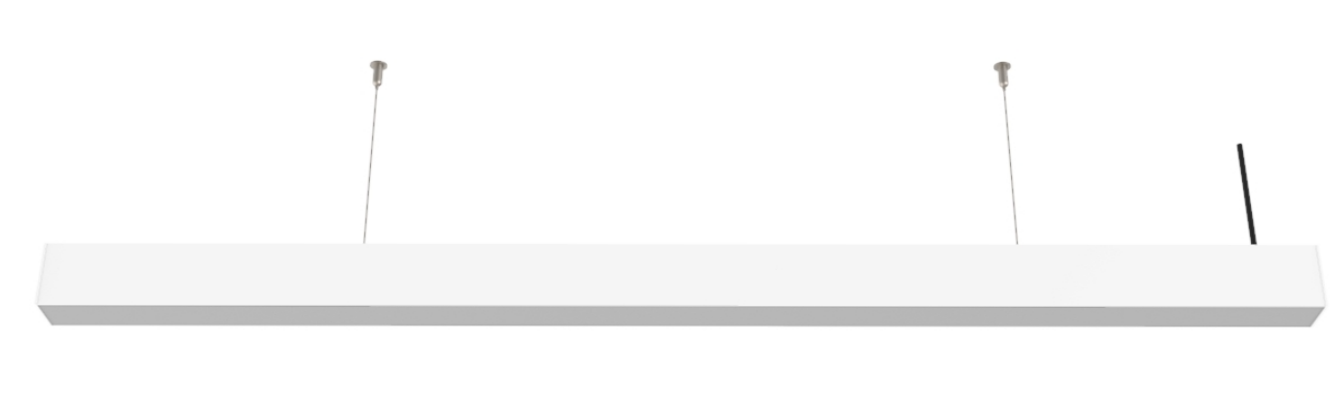
The housing is a narrow aluminum extrusion that doubles as the heat sink, with the LED board and driver built in. Because the body is linkable, several fittings join end to end into one uninterrupted run.
Design: Sleek and simple office linear light design to complement the aesthetic of a modern office. They can be suspended from the ceiling, mounted directly on surfaces, or embedded in ceilings and walls, providing flexibility in design and installation.
Light distribution: One of the main advantages of linear lighting is its ability to provide a uniform light distribution. This is especially important in the office, where constant bright light is needed to reduce eye strain and improve concentration.
Energy Efficiency: Many office linear lights use LED technology and are known for their energy saving and long life. This not only reduces the carbon footprint of the office, but also greatly reduces energy costs.
Configurability and control: Premium models of office linear luminaires feature dimming, color temperature adjustment options, and even intelligent control integration. This allows lighting to be tailored to the time of day, specific tasks or personal preferences, resulting in increased comfort and productivity.
Office installations are one application of a wider product family. The full LED linear light range covers four profiles at UGR ≤ 19 with CRI up to 95 Ra, custom lengths and DALI-2 / D4i dimming, with continuous runs up to 30 meters.
What Are the Benefits of Linear Lighting in an Office?
Linear lighting benefits an office in five measurable ways: it distributes light uniformly, it controls glare on screens, it adapts to any ceiling type, it supports dimming and colour-temperature control, and it covers general, task and accent roles from one product family.
Uniform light distribution: Linear lamps provide a broad, uniform light distribution, minimizing shadows and glare. This consistency ensures that all areas of the office have plenty of light, reducing eye strain and making tasks such as reading and writing more comfortable.
Modern aesthetic: Linear lamps have a sleek, modern design that enhances the overall look of the office space. The minimalist style creates a more professional and elegant environment, leaving a positive impression on employees and visitors.
Flexible design options: With a variety of mounting options (suspended, surface mounted, recessed), linear lights can be adapted to any office layout or design theme. This flexibility allows for creative lighting solutions that can define spaces, highlight architectural features, or complement office decor.
Improve productivity and well-being: Proper lighting is essential for maintaining focus and reducing fatigue. The bright, uniform light provided by linear luminaires helps increase concentration and productivity. In addition, the ability to control brightness and color temperature can support a comfortable work environment, potentially increasing employee happiness and satisfaction.
Customization and control: Advanced linear lighting systems often have dimming capabilities, color temperature control, and even smart technology integration. This allows dynamic lighting scenes to be adapted to different times of day, work activities or personal preferences, further improving the office environment.
Multi-functional applications: In addition to general lighting, linear lights can also play a variety of functions in the office, such as task lighting for workstations, key lighting for displaying art or features, and environmental lighting for creating a warm atmosphere.
Which Office Linear Light Options Are Available?
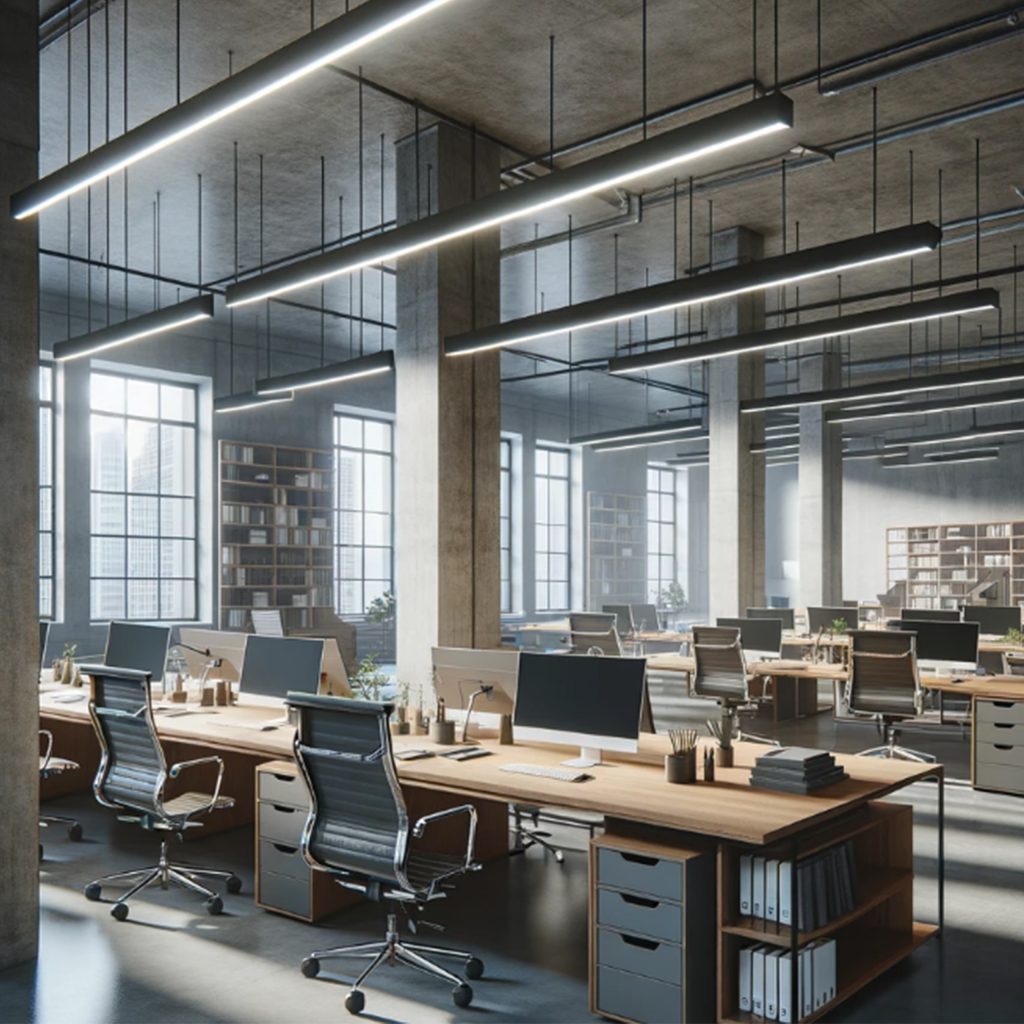
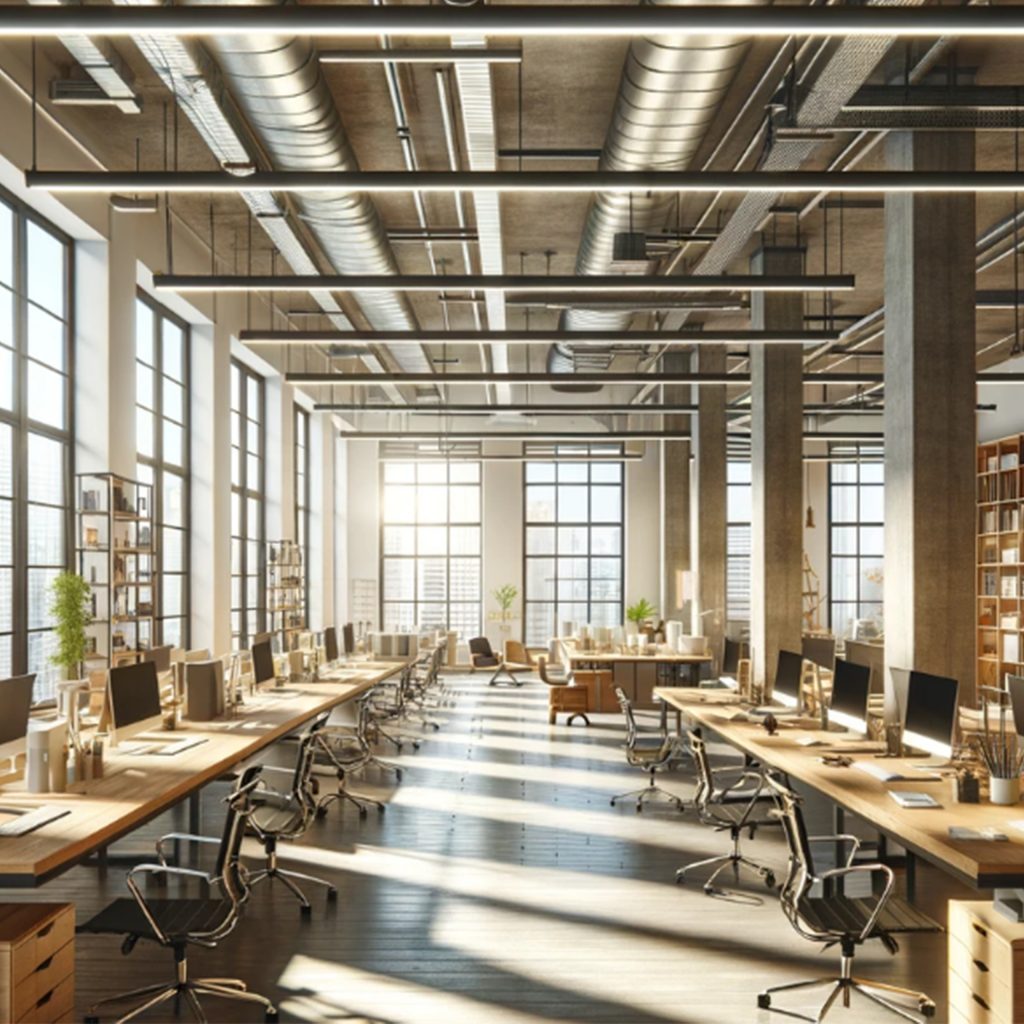
Office linear lights come in five mounting formats — suspended, surface-mounted, recessed, wall-mounted and direct/indirect — and the ceiling construction decides which of them is possible. Control and optic choices then sit on top of whichever format the ceiling allows.
Suspended linear lights: These lights are suspended from the ceiling by cable or pole, creating a modern and sophisticated look. Suspended linear lights are ideal for high-ceiling offices and can be used to highlight specific areas or provide general lighting.
Surface-mounted linear lights: These lights are directly attached to the ceiling surface. They are a practical option for offices with low ceilings, where suspended ceiling lights may not be suitable. Surface-mounted linear lights provide a sleek, streamlined look and are easy to install.
Recessed Linear lights: Installed flush with the ceiling, recessed linear lights provide a clean, minimalist look. They are perfect for offices that want a subtle lighting effect without protruding visible fixtures from the ceiling.
Wall-mounted linear lights: Linear lights can also be mounted vertically or horizontally on the wall. This option can create dramatic lighting effects, highlight architectural features, or provide indirect ambient lighting.
Direct/Indirect linear lights: These lamps glow up and down, illuminating the ceiling and the area below. This type of lighting reduces glare and creates a balanced, comfortable working environment.
Task lighting: Smaller, more focused linear lights can be used to provide additional lighting in specific work areas. This is especially useful for tasks that require precision, such as reading documents or working on a computer.
Integrated systems: Some linear lighting systems are designed to be integrated with architectural elements such as gridded ceilings or beams. These systems can provide a highly customized look that blends seamlessly with office design.
Smart linear lights: Modern offices can benefit from linear lights equipped with smart technology. These lights can be controlled via an app or integrated into a building management system to dynamically adjust lighting based on time of day, occupancy, or specific events.
Color Temperature Adjustable lights: To support different activities and preferences, some linear lights offer adjustable color temperatures. Warm lighting can create a comfortable atmosphere, while cool temperatures are ideal for focusing and performing tasks.
Emergency lighting: In some jurisdictions, lighting solutions that can operate during power outages are required or recommended. Linear lights with built-in backup batteries can be used as emergency lighting to ensure safety in any situation.
Which Office Linear Light Series Does OLAMLED Offer?
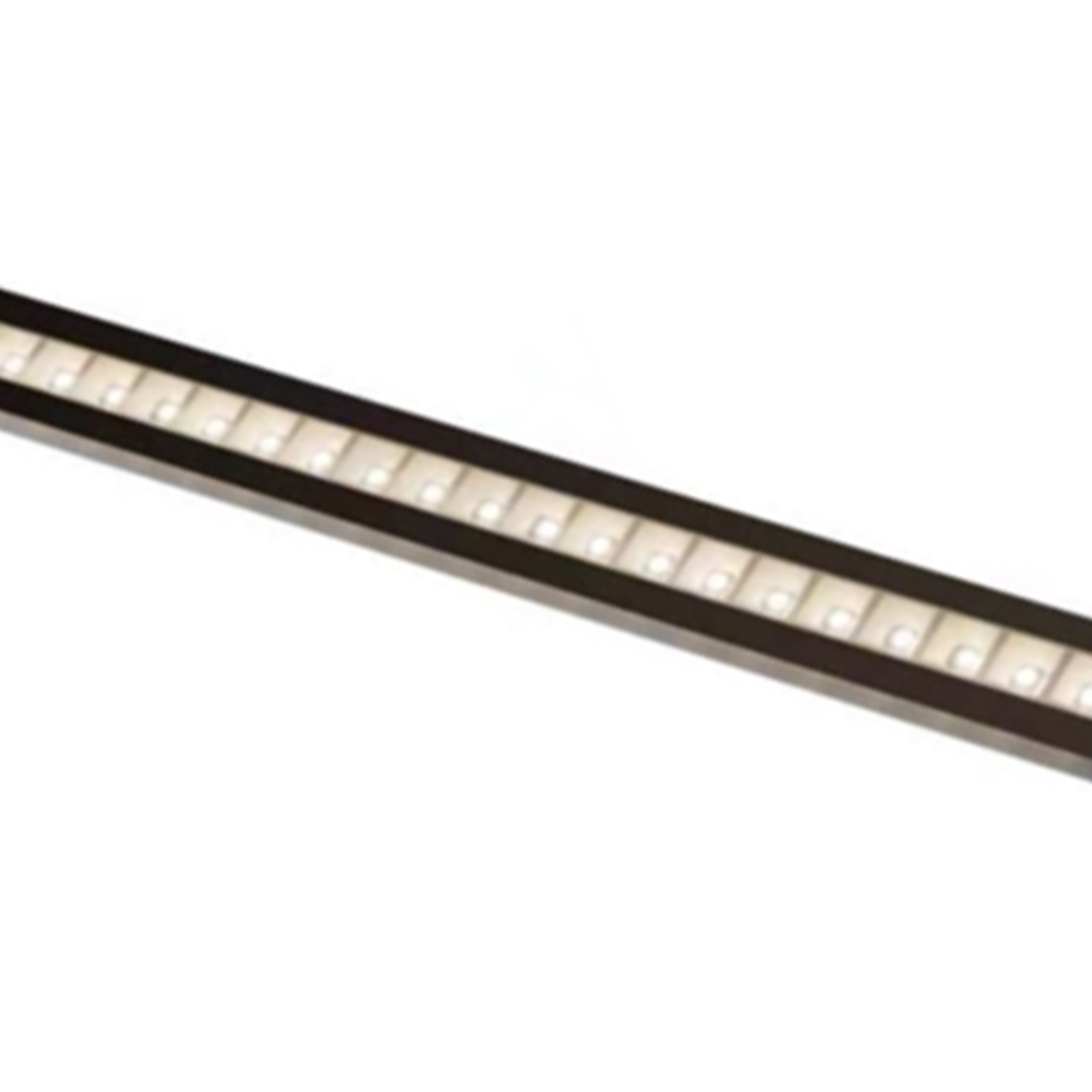
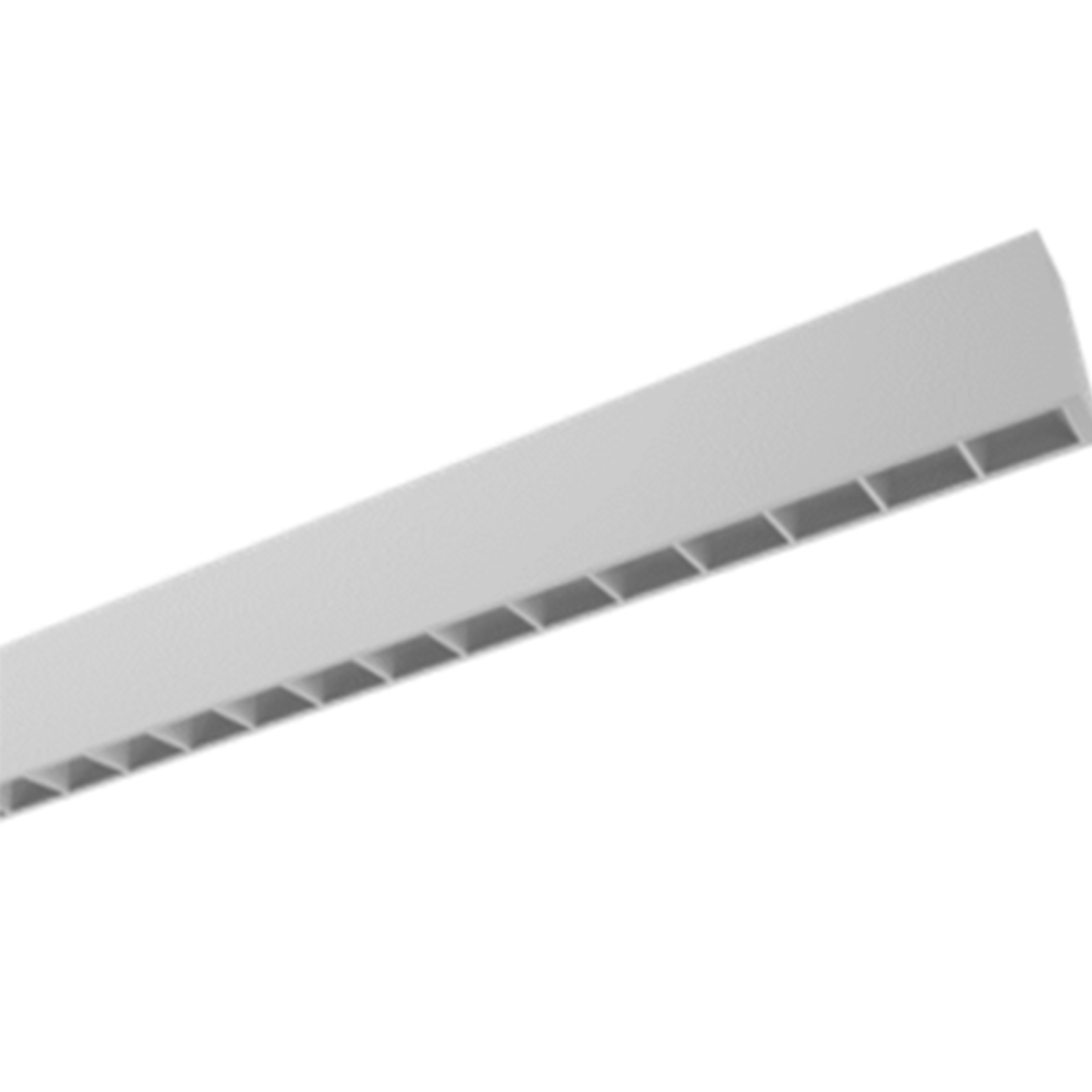
UGR<16 LED Linear Light
UGR<19 LED Linear Light
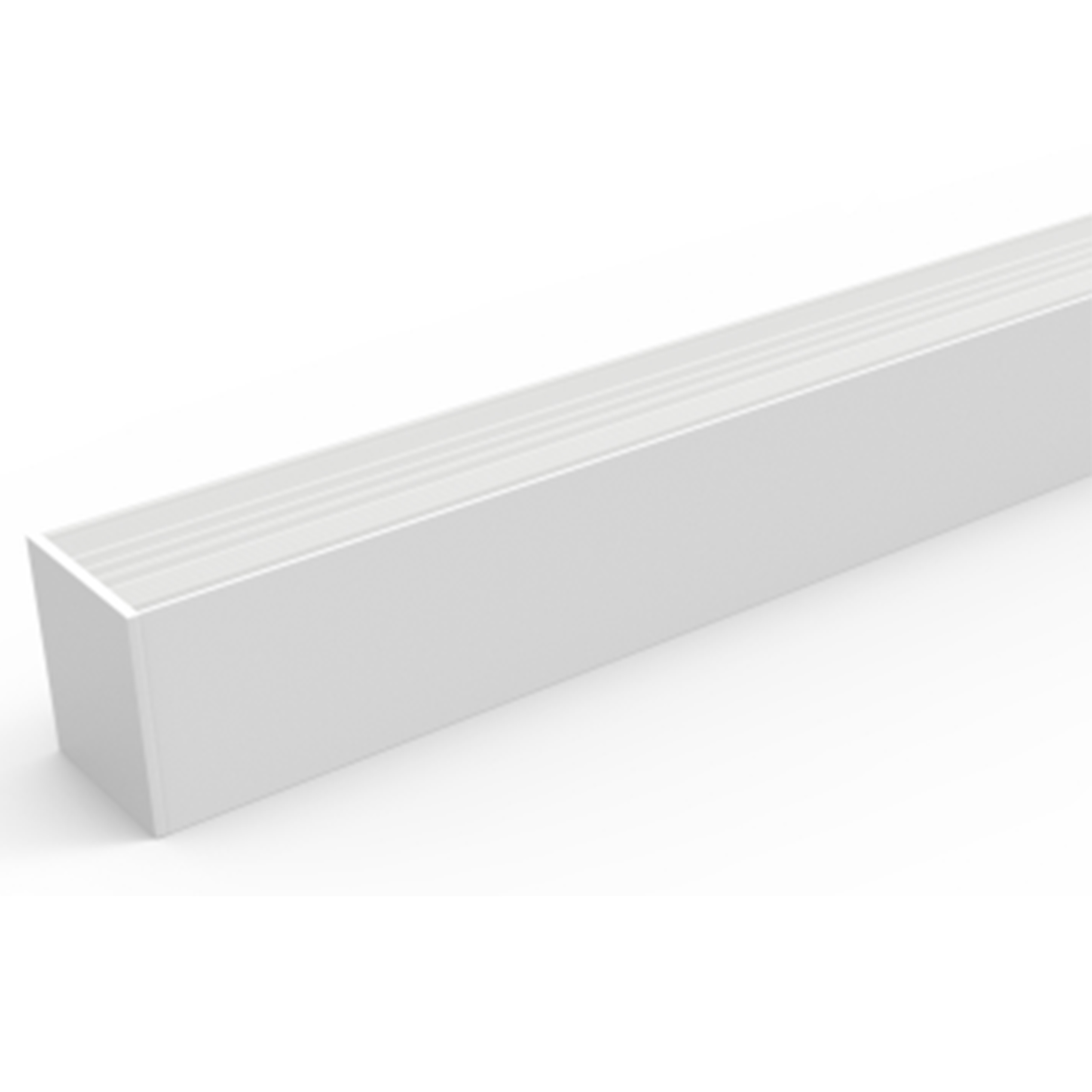
Opal Diffuser LED Linear Light
The three series share the same housing, driver platform and control options, and differ only in the optic. That single difference decides the glare rating, so choose the series from the task in the room rather than from the price.
| Series | Optic | Glare rating | Light character | Specify it for |
|---|---|---|---|---|
| UGR<16 | Deep louvre / dark-light optic | UGR below 16 | Tightly cut off, very low apparent luminance | Screen-intensive open plan, dark ceilings, long sightlines |
| UGR<19 | Micro-prismatic diffuser | UGR below 19 | Balanced output and comfort | General offices, meeting rooms, classrooms — the EN 12464-1 default |
| Opal diffuser | Opal (milky) diffuser | Above 19 | Softest, most even luminous surface | Corridors, reception, retail and ambient runs where screens are not the task |
All three are linkable into continuous runs, accept 3000K, 4000K or 5700K, and can be ordered with on/off, 0-10V, DALI-2 or D4i control. Custom lengths are cut to the project drawing rather than to a fixed catalog size.
If screens are used in the space, the opal series is the wrong choice regardless of how good the price is: an opal surface has high luminance at exactly the angles that cause reflections on a monitor. Compare the full specification on the LED linear light product page.
What Makes OLAMLED Linear Lights Different?
Three engineering choices separate OLAMLED linear lights from a generic batten: a linkable body that forms gap-free continuous runs, an up-and-down optical design that lights the ceiling as well as the desk, and a selectable glare rating of UGR<16, UGR<19 or opal diffuser on the same housing.
Linkable Design:
Connectable linear lights can be joined to create long, continuous runs of lighting without gaps. This is particularly useful in large spaces or for creating seamless lines of light that enhance architectural features.
1) Customization and flexibility: The ability to connect multiple linear lights together allows for custom lighting solutions that can be customized to the specific dimensions and design requirements of any space. This adaptability makes them ideal for a wide range of applications from offices to retail environments and residential areas.
2) Easy installation and reconfiguration: The modular nature of connectable linear lights simplifies installation and future reconfiguration. Spaces undergoing layout changes can easily adjust their lighting settings.
3) Reduced installation complexity: The ability to connect multiple lights together greatly reduces complexity and time during the installation process. This simplified installation is especially useful in projects with tight time or budget constraints.
Up & down lighting design:
Refers to a lighting design where fixtures emit light both upwards and downwards. This type of lighting is used to achieve balanced illumination in a space, enhancing both the functionality and aesthetics of the environment.
1) Balanced Illumination: Up & down lighting fixtures distribute light evenly, reducing harsh shadows and bright spots. This creates a more comfortable environment by balancing the light between the ceiling and the floor.
2) Architectural Highlighting: By casting light upwards, these fixtures can accentuate architectural features such as ceilings, beams, and moldings, adding depth and character to the space. The downward light, on the other hand, provides essential task lighting and highlights the living or working areas below.
3) Ambient Lighting: Up & down lighting contributes to the overall ambient lighting in a room, creating a warm and welcoming atmosphere. The upward light can make a room feel more spacious and open, while the downward light ensures practical illumination for everyday activities.
Flexibility & Customization:
Adapt to the specific lighting needs, aesthetic preferences and functional requirements of different office layouts.
1) Customizable lighting solutions: Customizable linear lamps allow specific adjustments in terms of length, brightness, color and light direction. This means they can be customized to effectively illuminate different office areas, from individual workstations to meeting rooms and public spaces.
2) Customizable features: including adjustable brightness and color temperature, and customizable housing color and length, so the fitting blends into any office interior.
3) Customizable UGR rating: three optics are available to suit different glare requirements: UGR<16, UGR<19, and a standard frosted diffuser. The Unified Glare Rating measures the likelihood of light causing discomfort in the space, so a lower UGR value means less glare and more visual comfort.
How Does OLAMLED Support an Office Lighting Project?
Based on the information provided and the typical advantages of professional lighting solutions, there may be several reasons for choosing OLAMLED office linear lights:
Customization: We offers customizable office linear lights that can be customized for function, light color, installation method, appearance, length and beam Angle. This level of customization ensures that the lighting solution is perfectly suited to the specific needs and aesthetics of any office space.
Reduce glare: by changing the uniform glare level (UGR<16 & UGR<19) Optional OLAMLED linear lights significantly reduce glare and improve visual comfort for employees. Reducing eye strain and improving work efficiency and comfort are essential.
Versatile design: The availability of various installation methods and aesthetic options makes the linear lights seamlessly integrated into any office design, from modern and sleek to classic and low-key. This versatility ensures that lighting not only serves a functional purpose, but also makes a positive contribution to the overall office environment.
Energy efficiency :It’s uses advanced lighting technology, including energy-saving features such as LED modules, which can significantly save energy and reduce the carbon footprint of an office.
High quality and durability : The office linear lamps emphasize manufacturing capability and quality, and are likely to be durable and reliable, ensuring a long service life and reducing the need for frequent replacement or maintenance.
Improve work efficiency and comfort: By providing optimal lighting conditions, Our linear lights can help create a work environment that improves work efficiency and employee well-being, a key success factor for any business.
Commitment to safety and quality: Emphasis is placed on not compromising safety or quality, underscoring ours’s commitment to provide superior lighting solutions that meet regulatory standards and ensure a safe working environment.
Choosing OLAMLED as an office linear lighting solution offers a combination of aesthetics, ergonomics and economic benefits, making it a smart choice for businesses looking to enhance their office space.
Why Is Linear Lighting So Common in Modern Offices?
Linear lighting is becoming increasingly popular in modern offices for several reasons that align with contemporary workplace needs and design trends:
Sleek and modern aesthetic: Linear luminaires have a clean, minimalist design that fits the modern, open aesthetic of many modern offices. Its slender silhouette and streamlined exterior complement a range of interior styles without encroachment.
Uniform and comfortable lighting: They provide an even distribution of light, reduce shadows and glare, and help reduce eye strain for office workers. This is especially important in environments where employees spend a lot of time in front of a computer.
Energy Efficiency: Most linear lighting solutions use leds, which are more energy efficient than traditional lighting technologies. This can significantly reduce the office’s energy consumption and contribute to achieving the Sustainable Development Goals.
Versatility and customizability: Linear lighting can be adapted to a variety of Spaces and needs, with different lengths, colors, intensities and mounting methods (such as suspension, surface mount or recessed). This flexibility allows offices to tailor lighting solutions to specific area, task or environmental requirements.
Integration with smart technology: Many linear lighting systems can be integrated with smart building systems and control automatic dimming, color temperature regulation, and motion detection. This improves energy efficiency and provides a more adaptable lighting environment.
Definition of space: In an open office layout, linear lighting can help delineate different areas, such as workstations, meeting rooms, and lounge areas, without the need for physical barriers, maintaining an open feel while providing appropriate lighting for each area.
Long life and low maintenance: leds are typically used in linear luminaires, have a long life and require less maintenance than traditional lighting solutions, reducing the long-term costs and disruptions associated with bulb replacement and repair.
Improved mood and productivity: Proper lighting has a positive effect on mood and cognitive function. Linear lighting can be configured to create an environment that supports concentration, collaboration, and well-being, potentially increasing productivity and employee satisfaction.
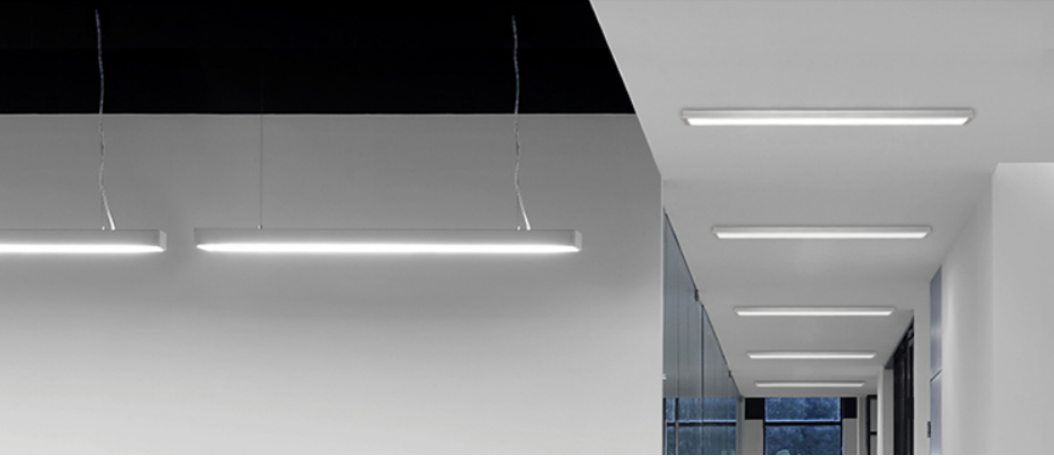
How Do You Design an Office Linear Lighting Layout?
Choosing a good design for office linear lighting involves considering several factors to ensure the lighting meets both functional and aesthetic needs. Here’s how to make a well-informed choice:
Assess the Workspace Needs: Evaluate the specific requirements of your workspace. Consider the tasks performed, the layout, ceiling height, and natural light availability. Different areas like workstations, meeting rooms, and break areas may have distinct lighting needs.
Consider the Lighting Type: Decide between direct, indirect, or direct/indirect lighting based on the office environment. Direct lighting is suitable for task-oriented areas, while indirect lighting reduces glare and creates a softer ambiance. Direct/indirect lighting offers a balanced solution, illuminating both the workspace and the ceiling.
Look at Beam Angles: The beam angle affects how light is distributed in the space. A wider beam angle provides a broader spread of light, suitable for general ambient lighting, while a narrower beam is ideal for focused task lighting.
Choose the Right Color Temperature: Color temperature influences mood and alertness. Cooler temperatures (above 4000K) are energizing and better for concentration, making them suitable for task lighting. Warmer temperatures (below 3000K) create a relaxed environment, ideal for break areas or collaborative spaces.
Evaluate Energy Efficiency: Opt for LED linear lights for their energy efficiency, longer lifespan, and lower maintenance costs compared to traditional lighting options. Consider fixtures with energy-saving features such as dimming capabilities and motion sensors.
Design and Aesthetics: The design of the linear lights should complement the office’s interior design. Consider the fixture’s color, material, and form. The lighting should enhance the overall aesthetic of the space, not detract from it.
Lighting Control: Look for lighting solutions that offer control flexibility, such as dimming, color temperature adjustments, and integration with smart building management systems. This allows for customization according to different needs and times of day.
Installation and Maintenance: Consider the ease of installation and future maintenance. Lighting solutions that are easy to install, replace, and maintain can save significant time and expense over the long term.
Certifications and Standards: Ensure the lighting meets industry standards and certifications for safety and performance. This includes compliance with local regulations and standards like UL, CE, or Energy Star ratings.
Consult with Professionals: If unsure, consult with lighting designers, architects, or electrical engineers who can provide expert advice tailored to your specific office needs and help design a lighting plan that optimizes both functionality and aesthetics.
How Can You Customize Your Office Linear Light?
- Length
- Installation method
- LED Source Brand
- CCT & Color
- CRI
- LED Driver
- Glare value requirements
- Power
- Wires & Plug
- Installation mode
- Label
- Packaging
Which Parameters Can You Specify?
Twelve parameters are open to specification on an OEM order: length, installation method, LED brand, color temperature, CRI, driver type, glare rating, wattage, wiring and plug, mounting mode, labeling and packaging. Fix these twelve and the quotation is complete.
Length:
Specific lengths to fit different space dimensions
Modular sections for extendable or reducible designs
Installation Method:
Suspended from the ceiling
Surface-mounted on ceilings or walls
Recessed into ceilings or walls
LED Source Brand:
Choice of LED manufacturers for quality or budget preferences
Options based on light output, efficiency, or color rendering
CCT (Correlated Color Temperature) & Color:
Variable color temperatures (e.g., 3000K, 4000K, 5000K) for different environments
Options for tunable white or RGB color changing
CRI (Color Rendering Index):
Different CRI options (e.g., >80, >90) for color accuracy in tasks requiring color differentiation
LED Driver:
Options for dimmable or non-dimmable drivers
Choices based on power supply requirements or compatibility with control systems
Glare Value Requirements:
UGR (Unified Glare Rating) levels to minimize discomfort (e.g., UGR<19, UGR<16)
Diffuser options to reduce glare and improve visual comfort
Power:
Different wattages to accommodate varying levels of brightness and energy efficiency
Selection based on space size and lighting intensity needs
Wires & Plug:
Options for cable lengths and plug types to suit installation needs
Customizable wiring for integration with existing electrical systems
Installation Mode:
Angle adjustment, mobile versus fixed mounting, and modular connectivity between fittings
Label:
Custom labeling for branding, instructions, or regulatory compliance
Options for label placement and design
Packaging:
Custom packaging solutions for safe transport and delivery
Options for branding, environmental considerations, and packaging materials
Why Buy Office Linear Lights From OLAMLED?
Choosing office linear lights from your company could be beneficial for several reasons, typically emphasized in customer communications based on common advantages
Deep Customization & High Flexibility
We offer extensive customization options, tailoring our products to meet your specific needs. Our flexibility in design and production allows us to adapt to a wide range of requirements, ensuring that your unique requirements is realized.
Superfast Response
Our team is committed to providing quick and efficient responses to all inquiries and requests. We prioritize swift communication and prompt decision-making to keep your projects moving without delays.
Less MOQ
We understand the diverse needs of our clients and offer low minimum order quantities. This approach makes our high-quality products accessible to projects of all sizes, ensuring that even smaller or niche requirements are met with ease.
50% Faster delivery time
We pride ourselves on our ability to deliver products 50% faster than the industry standard. Our efficient production processes and streamlined logistics ensure that you receive your orders promptly, keeping your project on schedule.
Strong supply chain system
Our robust supply chain system ensures the consistent availability of materials and components, minimizing delays and disruptions. This strength in supply chain management contributes to our overall reliability and the timely execution of orders.
17-year engineering design team
Our experienced engineering design team, with over 17 years of expertise, brings a wealth of knowledge and innovation to each project. Their skills in design and engineering ensure high-quality, technically sound, and aesthetically pleasing solutions.
How Is Quality Controlled on an Office Linear Light Order?
Ensuring the quality of LED office linear lights is a meticulous process that spans from the initial selection of materials to the final stages of product evaluation. Below is a breakdown of each crucial phase:
Material Quality Assurance:
Incoming Quality Control (IQC): Rigorous inspection of all incoming materials and components, such as LED chips, drivers, and housings, ensuring they adhere to our strict quality specifications.
Supplier Evaluation: Continuous assessment of our suppliers to guarantee their materials consistently meet our high standards.
Manufacturing Oversight:
Process Quality Control (PQC): Oversight of the manufacturing process to ensure compliance with quality benchmarks at every stage, including LED module assembly, soldering, and wiring.
In-process Testing: Implementation of multiple testing phases during manufacturing, including thermal and electrical tests, to verify products are built to our exact standards.
Final Product Verification:
Final Quality Control (FQC): An exhaustive review of the completed product, covering visual assessments, functionality tests (e.g., switching, dimming), and performance evaluations (e.g., light output, color fidelity).
Durability Testing: Extensive testing of the finished products under prolonged usage to uncover any potential longevity issues, examining factors like LED life, driver performance, and color retention.
Standards and Compliance: Ensuring all products meet essential industry certifications and standards such as CE, UL, or RoHS, focusing on safety, electromagnetic compatibility, and environmental sustainability.
Quality Consistency: Routine checks for consistency across different batches, ensuring uniformity in color temperature, luminosity, and overall performance, vital for modular lighting systems.
Packaging and Shipping: A final inspection of the packaging to confirm it’s secure, correctly labeled, and includes all necessary instructions, ensuring safe delivery.
Iterative Improvement: Leveraging customer feedback and post-market data to perpetually refine the quality of our products, continuously updating our production techniques and quality assurance protocols.
Office Linear Light FAQ
Q: Can you describe the design features of your LED office linear lights, and how do they cater to modern office environments?
A: Our LED office linear lights are designed with modern, minimalist aesthetics to complement contemporary office spaces. They feature a sleek, unobtrusive profile that blends seamlessly with different architectural styles. Additionally, they’re constructed for easy installation in a variety of settings, whether suspended, surface-mounted, or recessed, ensuring versatility across different office designs.
Q: What are the key performance characteristics of your LED office linear lights, including energy efficiency, light output, and color rendering?
A: Our LED office linear lights are built for optimal performance and energy efficiency, offering significant cost savings over traditional lighting solutions. They provide uniform, glare-free illumination conducive to productivity and comfort in the workplace. Key performance features include high lumen output, adjustable color temperatures ranging from warm to cool white, and excellent color rendering index (CRI) values to ensure true-to-life colors. They’re also built with longevity in mind, designed to reduce maintenance needs and replacement costs.
Q: What is the typical lead time for bulk orders of LED office linear lights, and can this be expedited if necessary?
A: The typical lead time for bulk orders of our LED office linear lights is 4-6 weeks. However, we understand the urgency of project timelines and offer expedited delivery options upon request. Our customer service team works closely with clients to ensure that delivery schedules meet their project deadlines while maintaining the highest quality standards.
Q: What is the pricing structure for bulk orders of LED office linear lights, and do you offer any discounts or incentives for large-scale purchases?
A: We offer competitive pricing for our LED office linear lights, with additional discounts available for bulk purchases. Our pricing structure is designed to provide cost-effective solutions for businesses of all sizes, ensuring you get the best value without compromising on quality. We invite you to discuss your project with us for a customized pricing plan that meets your specific needs and budget.
Q: Are there customization options available for your LED office linear lights in terms of size, color, and lighting controls for bulk orders?
A: Yes, we offer extensive customization options for our LED office linear lights to suit your specific project requirements. This includes choices in length, color temperature, and dimming capabilities, as well as various mounting options to fit different office layouts. We encourage you to contact our design team to discuss your specific needs, and we will work with you to create a lighting solution that perfectly matches your office environment.
Which Standards Should Office Lighting Meet?
Office lighting in Europe is measured against EN 12464-1, which sets a maintained illuminance and a maximum unified glare rating for every type of workspace. An office linear light that misses either figure fails the handover inspection, so these numbers are the acceptance criteria for the whole installation.
| Space | Maintained illuminance | Max UGR | Min CRI |
|---|---|---|---|
| Open-plan office, screen and writing work | 500 lx | 19 | 80 |
| Meeting and conference rooms | 500 lx | 19 | 80 |
| Reception desk | 300 lx | 22 | 80 |
| Archive and filing areas | 200 lx | 25 | 80 |
| Corridors and circulation | 100 lx | 25-28 | 40-80 |
| CAD and technical drawing | 750 lx | 19 | 80 |
Uniformity must reach 0.6 or better on the task area, otherwise the space reads as patchy even when the average lux figure is correct. Uniformity is decided by fixture spacing and mounting height, which is why a continuous linear run usually outperforms the same wattage split into separate fittings.
Glare is the criterion most often missed on refurbishments. UGR is calculated for a defined room geometry rather than for the luminaire in isolation, so ask for the UGR table against your room size, not a single headline number.
Flicker is not covered by an illuminance figure but shows up as headaches and as banding on video calls. Specify a low-flicker driver explicitly, since a standard driver will otherwise be fitted.
Compliance documents to request: an LM-79 photometric report and IES file for the exact model, LM-80 and TM-21 lumen-maintenance data for the LED package, a UGR table for your room geometry, an SDCM or binning statement for color consistency, and a CE declaration of conformity naming your model number.
Every OLAMLED office linear light ships with these documents on request. Read more about the wider LED linear light range or the European certification requirements for LED lighting.