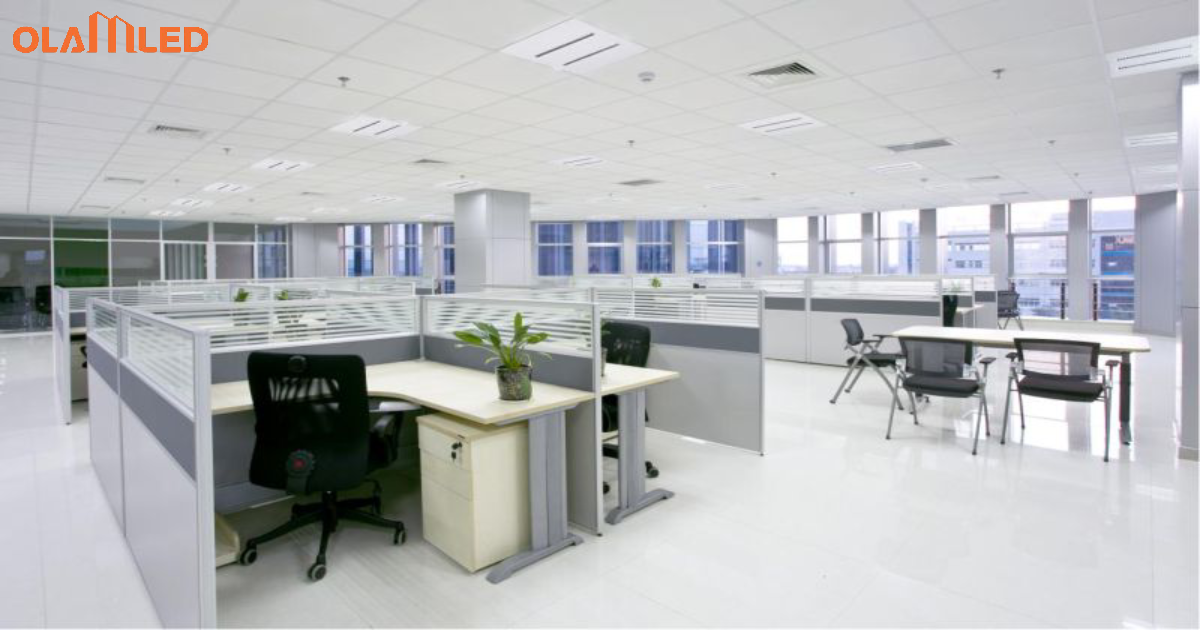
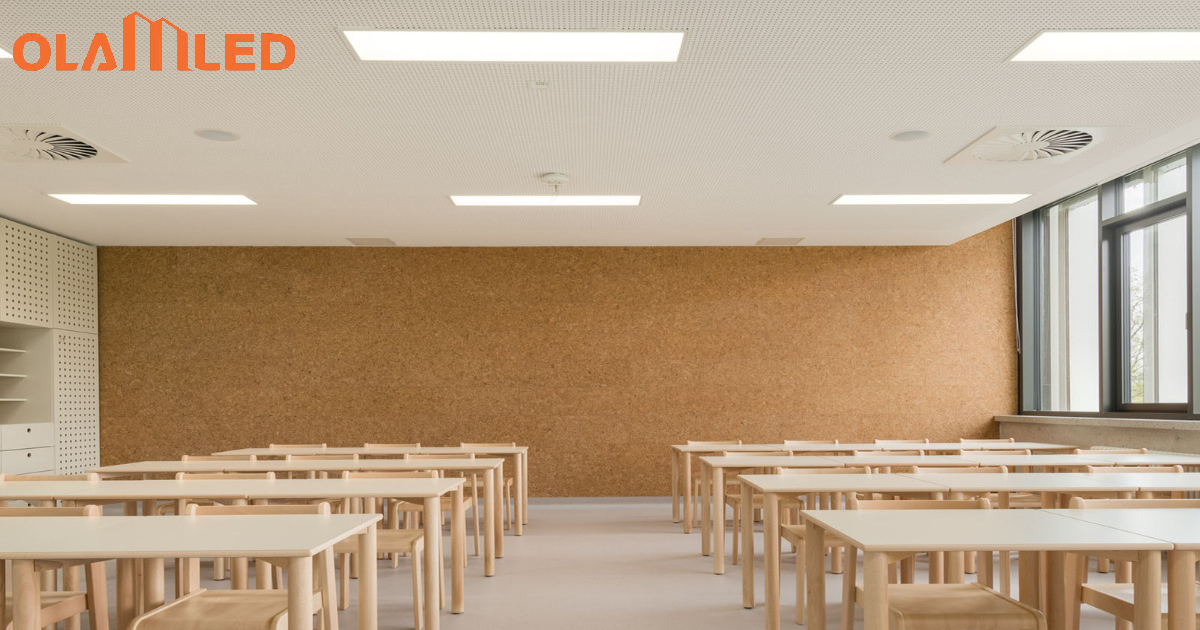
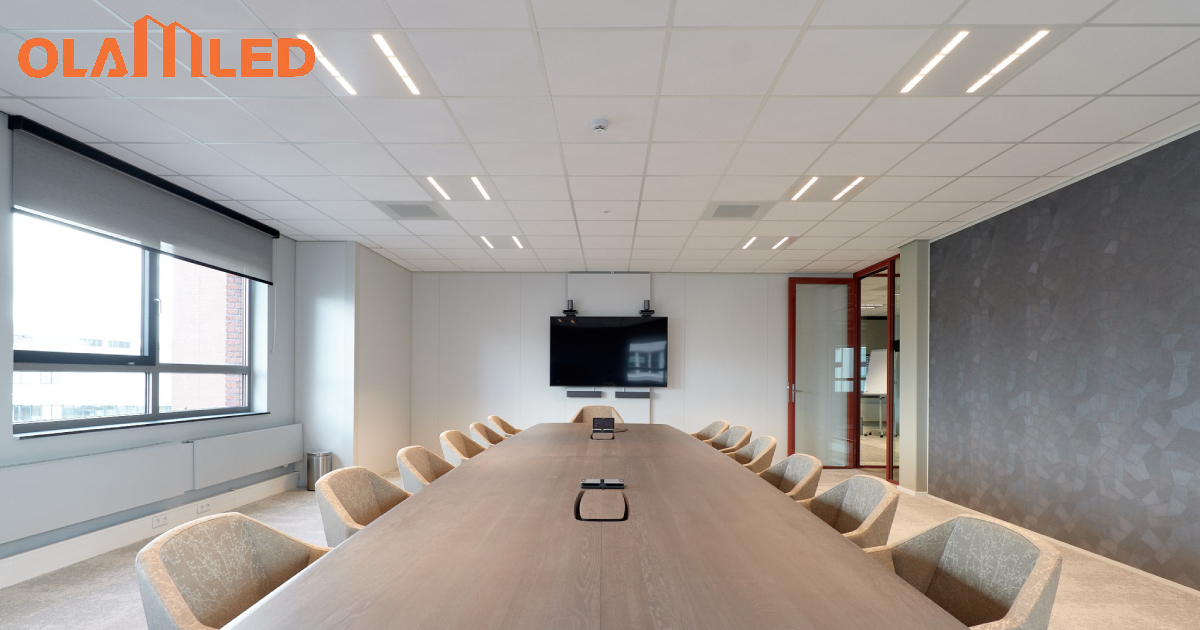
The lighting industry has witnessed a rapid transformation in recent years, with the proliferation of LED lights taking center stage.
A number of LED lights are being imported from China due to the quality of the LEDs and the reasonable price they offer. It is a comprehensive guide which will provide insight into the importance of the imports, and the advantages of procuring LED lights from China, specifically, in this guide.
Why Import LED Lights from China is Better?
LED lighting products are one of the products that China has become famous for, being one of the leading manufacturers of them. Importing these products from China offers numerous advantages that can contribute to the growth and success of your business.
In this section, we will discuss the various benefits of sourcing LED lights from China compared to other countries.
Advantages of Importing LED Lights from China!
1. Lower Costs
One of the most significant advantages of importing LED lights from China is cost savings. Chinese manufacturers are known for their cost-effective production methods, which result in lower-priced, high-quality products.
Additionally, China’s large-scale production capacity and efficient labor force enable manufacturers to pass on savings to customers.
By importing LED lights from China, businesses can reduce their procurement costs, allowing for higher profit margins and increased competitiveness in the market.
These cost advantages are difficult to replicate in other countries, making China the preferred choice for businesses seeking affordable lighting solutions.

2. High-Quality Products
Chinese manufacturers have made significant advancements in LED technology over the years. As a result, they now produce some of the highest quality LED lighting products globally.
Stringent quality control measures and a commitment to continuous improvement have enabled Chinese manufacturers to meet and exceed international quality standards.
Importing LED lights from China ensures that businesses receive products that not only offer excellent performance but are also durable and reliable.
This combination of quality and affordability is unmatched by other countries, making China a top choice for businesses looking to source LED lighting products.
3. Access to the Latest Technology and Designs
China is at the forefront of LED technology, with numerous innovations emerging from its research and development efforts.
By importing LED lights from China, businesses can gain access to cutting-edge technology and the latest designs in the industry.
Chinese manufacturers are known for their ability to rapidly adopt new technologies and incorporate them into their products.
This agility ensures that businesses sourcing LED lights from China can stay ahead of the competition and offer their customers the most advanced lighting solutions available.

4. Comparison between Importing LED Lights from China and Other Countries
When compared to other countries, China stands out as the most advantageous option for importing LED lights.
While some nations may produce quality LED lighting products, they often come at a higher cost due to higher production expenses and labor costs.
Additionally, other countries may not have the same access to the latest technology and designs as China.
In contrast, China offers a unique combination of affordability, quality, and access to cutting-edge technology that is difficult to find elsewhere.
This makes China the ideal choice for businesses looking to import LED lights and expand their product offerings in the market.
How to Import LED Lights from China?
The process of importing LED lights from China involves several steps that ensure a smooth and successful transaction.
This section delves into the essential stages, including researching suppliers, communication, quality control, shipping, and dealing with customs and tariffs.
1. Researching Potential Suppliers
The first step in importing LED lights from China is identifying potential suppliers. Several online platforms, such as Alibaba and Global Sources, can help discover reputable manufacturers.
It is crucial to conduct thorough research on these suppliers, examining their product catalogs, company profiles, certifications, and customer reviews.
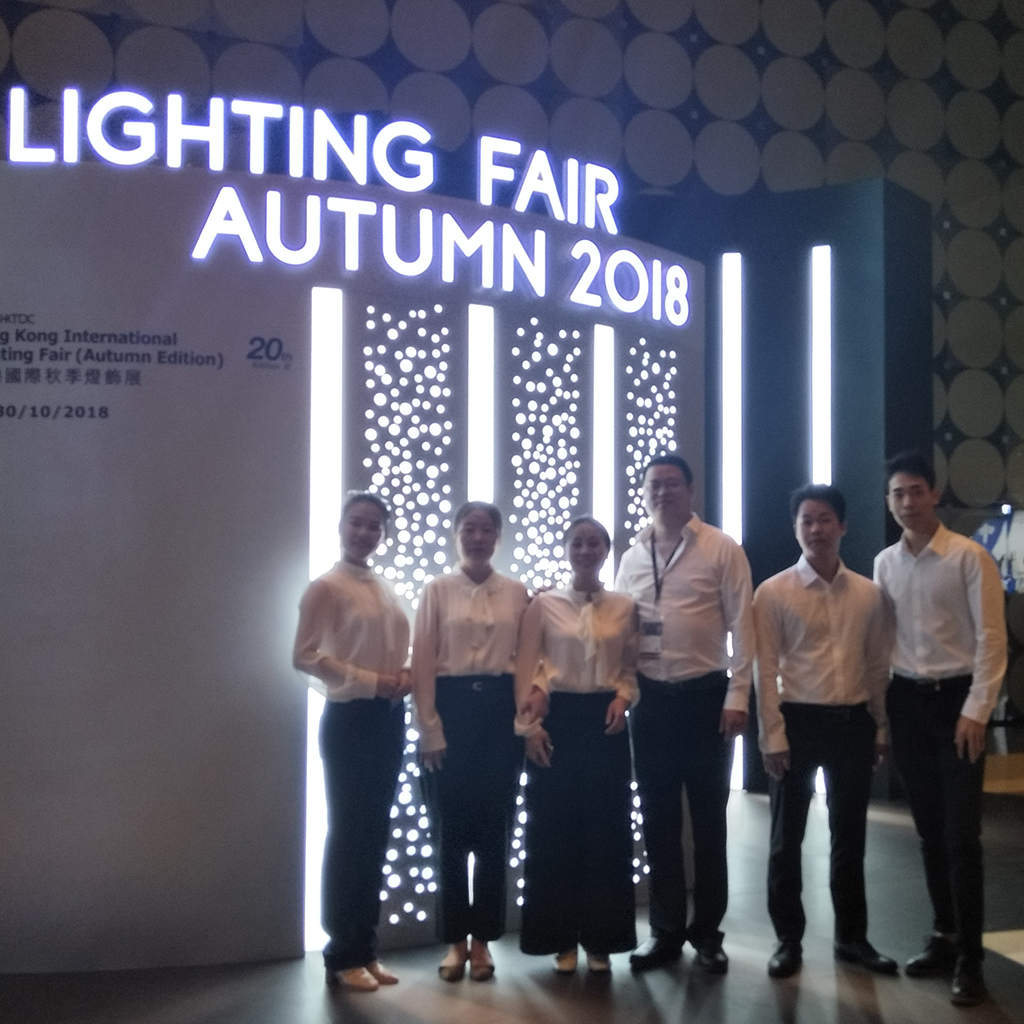
Additionally, attending trade shows and expos focused on lighting products can prove advantageous, offering the opportunity to meet manufacturers and view their products firsthand.
2. Communication with Suppliers
Once potential suppliers have been identified, the next step involves establishing communication. Reach out to the suppliers to inquire about their products, pricing, minimum order quantities, and production lead times.
It is essential to maintain clear and concise communication, ensuring that suppliers understand your requirements and expectations.
Consider discussing customization options if you have specific product requirements. Keep in mind that building a strong relationship with your supplier can lead to long-term success and better cooperation in future transactions.

3. Product Inspection and Quality Control
Ensuring that the LED lights you import meet your quality standards is vital. Request product samples from your chosen suppliers to assess the quality firsthand.
Additionally, consider hiring a third-party inspection company to evaluate the products during the manufacturing process.
These inspections can help identify potential issues early, allowing for timely corrections and minimizing the risk of receiving substandard products.
Insist on suppliers having relevant certifications, such as CE, RoHS, and UL, which serve as indicators of product quality and compliance with international standards.
4. Shipping and Logistics
After finalizing the order and ensuring product quality, the next stage involves arranging shipping and logistics.
Depending on the size and weight of your shipment, you can choose between sea freight, air freight, or express shipping.
Each option has its pros and cons, with factors such as cost, transit time, and reliability to consider.
Collaborating with a reputable freight forwarder can simplify the shipping process, as they can handle documentation, customs clearance, and transportation from the factory to your destination.

5. Customs and Tariffs
Understanding and adhering to customs regulations and tariffs is a crucial aspect of importing LED lights from China. Familiarize yourself with the Harmonized Tariff Schedule (HTS) codes for LED lights, which are essential for determining the applicable import duties and taxes.
Ensure that the necessary import documentation, such as the commercial invoice, packing list, and bill of lading, is accurate and complete to avoid delays in customs clearance.
It’s also wise to consult with a customs broker, who can guide you through the process and ensure compliance with U.S. import regulations.
Buy Lighting Products from OlamLED!
OlamLED is a reputable and innovative LED lighting manufacturer based in China. With an unwavering commitment to quality, the company has established itself as a premier supplier of LED lights globally.
By offering a diverse range of products and customized solutions, OlamLED has earned the trust of businesses and customers worldwide.
This section delves into the advantages of partnering with OlamLED, an overview of their product offerings, and a glimpse into customer success stories and testimonials.
As a top-notch LED lighting supplier, OlamLED presents numerous benefits for those seeking to import from China.
- First and foremost, the company has a stringent quality control process, ensuring that all its products meet international standards. This focus on quality is a testament to OlamLED’s dedication to customer satisfaction.
- Another advantage of buying from OlamLED is their ability to provide customized solutions for clients. This feature sets them apart from competitors, as they understand the unique needs of each customer and work diligently to create tailored lighting solutions.
- Whether it’s a specific color temperature, a unique design, or a particular application, OlamLED has the expertise to accommodate any request.
- Furthermore, OlamLED maintains a robust research and development team, continuously seeking out the latest innovations in the LED lighting industry. This dedication to staying at the forefront of the technology enables OlamLED to offer cutting-edge products with enhanced energy efficiency and longer lifespan.
An overview of the products offered by OlamLED reveals a wide variety of options to cater to different industries and applications. Some of their product categories include:
- Commercial Lighting:
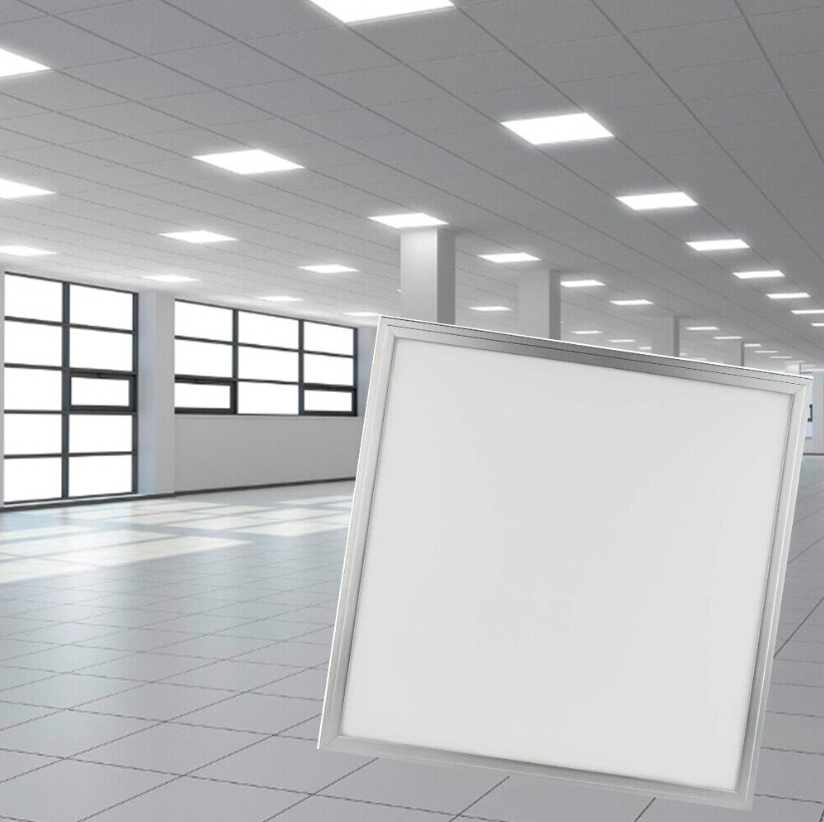
This range encompasses products such as LED panel lights, LED downlights, and LED track lights, suitable for office spaces, retail stores, and other commercial environments.
- Industrial Lighting:
OlamLED’s industrial offerings consist of LED high bay lights, LED floodlights, and LED street lights, designed for factories, warehouses, and outdoor spaces requiring powerful illumination.
- Architectural Lighting:
For those seeking aesthetically pleasing and functional lighting solutions, OlamLED provides LED linear lights, LED wall washers, and LED strip lights to create stunning visual effects.
- Residential Lighting:
Catering to homeowners, OlamLED offers LED bulbs, LED tubes, and LED spotlights for various household applications.
- Specialized Lighting:
OlamLED also designs and manufactures LED grow lights for horticultural applications and UV disinfection lights for sterilization purposes.

OlamLED’s commitment to quality and customer satisfaction is evident in the glowing testimonials and success stories from their clients. Numerous businesses have benefitted from partnering with OlamLED for their LED lighting needs.
For instance, a hotel chain found that by implementing OlamLED’s customized lighting solutions, they were able to create a warm and inviting atmosphere while simultaneously reducing energy costs.
Another example is a retail store that utilized OlamLED’s LED track lights to enhance product displays, ultimately driving increased sales and customer engagement.
Request A Quote for Your Lighting Projects!
Embarking on a new lighting project, whether it’s for your home or business, can be an exciting yet daunting task. Working with a reliable supplier, such as OlamLED, can make the process smooth and stress-free.
To start the journey of acquiring high-quality LED lights, the first step is to request a quote from OlamLED.
In order to request a quote, visit the OlamLED website at http://www.olamled.comand navigate to their “Contact Us” page.
Here, you’ll find a form where you can provide essential information about your project. This includes details like the type of lighting product you’re interested in, the desired quantity, and any specific requirements or preferences.
You can also include your contact information, so the OlamLED team can get in touch with you to discuss your project further.
One of the key advantages of working with OlamLED is the extensive customization options available. Clients can tailor their lighting solutions to suit their individual needs and preferences.
This includes aspects such as color temperature, beam angle, brightness, and product dimensions. Moreover, OlamLED can assist in designing custom lighting solutions, ensuring that your project stands out from the rest.
When comparing OlamLED’s prices with those of other competitors, it’s essential to consider the value offered. While some suppliers may have lower prices, the quality of their products may not be up to par.
In contrast, OlamLED has built a reputation for delivering high-quality LED lights at competitive prices. They have fostered strong relationships with manufacturers in China, which allows them to pass on savings to their customers without sacrificing quality.
This combination of affordability and reliability makes OlamLED a top choice for businesses and individuals alike.
It’s worth noting that when comparing prices, you should always take into account factors such as shipping costs, lead times, and any potential tariffs or import fees.
These additional costs can significantly impact the total price of your project. OlamLED is committed to transparency, ensuring that customers are fully informed about all associated costs before finalizing their purchase.

Conclusion
In summary, opting for Chinese LED lights and importing from china offers numerous advantages, such as cost-effectiveness, high-quality products, and access to cutting-edge technology and designs.
Collaborating with reputable suppliers like OlamLED ensures a seamless procurement process, along with a vast array of product offerings, and exceptional customer support.
Taking into account the many benefits, it’s clear that importing LED lights from China is a smart choice for businesses looking to expand their product range or improve their current lighting solutions.
Partnering with OlamLED, a trusted industry leader guarantees not only quality but also peace of mind.
Don’t miss out on the opportunity to elevate your lighting projects with exceptional products at competitive prices.
Reach out to OlamLED now for more information, or visit their website to request a quote tailored to your specific needs. Let OlamLED is your go-to source for exceptional LED lighting solutions imported directly from China.